
ART Archives - Safetree

We will contact you as soon as possible, please fill in your details!

Note: We will only use your details to contact you regarding your insurance query.

Blogs & Resources

3 weeks ago · by Shiva Vikas Kumar · 0 comments
How can smoking impact fertility

How Can Smoking Impact Egg Quality and Future Fertility?

‘Smoking kills the lungs and the heart is a common thing that we often hear, but only a few know that it can also harm your fertility. Reduced egg quality, speedy decline in ovarian function, and inability to conceive naturally are among the prime effects of smoking among women. The more concerning part is that these effects remain unnoticed until you decide to start a family.

Understanding the impact of smoking on egg quality is an important step for your reproductive health, no matter whether you are planning to conceive immediately or not. Making some important lifestyle changes can protect your reproductive health. This article explains how smoking impacts egg quality, ovarian reserve, IVF outcomes, and menopause, while highlighting the importance of future fertility planning.

Understanding Female Fertility: Why Does Egg Quality Matter?

It is a biological fact that a woman is born with a limited reserve of eggs, unlike men, who continuously produce new sperm. This limited egg count is known as ovarian reserve and tends to decline with age. However, it is not just the number but the quality of eggs that makes the difference in having a successful pregnancy.

The quality of eggs is determined by their ability to be fertilised to form a healthy embryo. Having the correct number of chromosomes is a characteristic of healthy eggs, thus allowing pregnancy without suffering any miscarriages or genetic disorders. Age is a proven cause of reduction in egg numbers, but there are other causes apart from that. Certain lifestyle habits, including smoking, can speed up the decline process, affecting fertility earlier than expected.

How Does Smoking Affect Egg Quality?

When a person smokes, the body gets exposed to many harmful chemicals, including nicotine, carbon monoxide, cadmium, and other toxins. Many of these adverse substances have the ability to reach the ovaries through the bloodstream, damaging the developing eggs.

A number of studies have shown that smoking increases oxidative stress, a condition in which healthy cells get damaged by harmful radicals. Egg cells are highly sensitive to oxidative damage, thus more prone to the ill effects of smoking.

Cigarette smoking can:

  • Destroy the DNA present within the eggs.
  • Impair the development of eggs.
  • Leads to chromosomal defects.
  • Diminish the likelihood of fertilisation.
  • Cause miscarriages.

These adverse impacts are usually correlated with the volume of cigarette smoking and the period of smoking. A heavy smoker or one who smokes for a long period will find it more difficult to conceive compared to someone who is a light smoker.

Impact of Smoking on Ovarian Reserve and AMH Levels

The most important concerns that women smokers have about the consequences of smoking are the effects of the habit on the quantity of remaining ovarian eggs. Ovarian reserve can be determined using anti-Müllerian hormone (AMH). AMH is a product of ovarian follicles; therefore, increased AMH indicates high ovarian reserve, and decreased levels imply low ovarian reserve.

There are a number of studies that reveal that females who smoke have relatively low AMH levels compared to those who do not smoke. It seems that cigarette smoking accelerates the loss of ovarian follicles; hence, a woman loses more eggs. Low ovarian reserve does not prevent pregnancy, but it reduces the chances of conceiving over time. Females who are postponing pregnancy should think about ovarian reserve measurement.

Can Smoking Lead to Early Menopause?

The answer is straightforward, yes. Several studies support this claim that smoking is directly associated with an early onset of menopause. Women who smoke are believed to experience their menopause at least 1 – 4 years early, compared to those who never smoke. The harmful impact of smoking is due to the tobacco toxins that can accelerate the loss of ovarian follicles, resulting in the ovaries stopping normal functioning sooner than expected.

Early menopause is associated with many health conditions, including:

  • A reduced fertile period.
  • A reduced probability of getting pregnant.
  • A limited number of choices for treatment.

Not only fertility issues but also an early onset of menopause can lead to the development of diseases such as osteoporosis and cardiovascular disease. Since it develops gradually, most women cannot determine that they have it unless they want to conceive.

How Can Smoking Affect IVF Success Rates?

Apart from interfering with the natural conception process, smoking may interfere with conception during IVF procedures as well. Smoking women usually require a larger dose of fertility drugs since the response of their ovaries is lower.

Research suggests that smokers tend to have:

  • Low egg retrieval during the IVF procedure
  • Low fertilization
  • Poor quality embryos
  • Low success rate in implantation
  • Low pregnancy rates
  • High risk of miscarriage

A male partner’s smoking can also affect the success rate of the IVF procedure due to the reduced quality of sperm. For that reason, smoking cessation is required on the part of both partners, as most fertility specialists recommend quitting smoking several months prior to the procedure.

Does Quitting Smoking Improve Fertility?

Yes, indeed, quitting smoking has a noticeable effect in the context of reproductive issues as soon as the body begins to recover after this procedure. The blood flow improves, the inflammatory process decreases, and the amount of toxin exposure decreases as well. While there is no way to heal already damaged eggs by smoking, quitting helps to prevent their further destruction.

The majority of women, who give up smoking prior to attempting pregnancy, manage to be more fertile compared to the women who smoke during pregnancy attempts. Their chances of conception, including pregnancies and IVF treatments, may be improved due to stopping smoking. It is usually recommended by experts to quit smoking as soon as possible, preferably several months before conception attempts. It provides sufficient time to recover and create a proper environment for conception.

Other Lifestyle Factors That Can Affect Egg Quality

Cigarette smoking is not the only factor affecting female fertility. There are other lifestyle aspects that impact eggs’ health.

  • Maintaining a healthy weight

It is important to maintain one’s body weight in order to preserve hormonal equilibrium and have regular ovulation. A healthy diet, which consists of lots of fruits, vegetables, complex carbs, healthy fats, and proteins, contains all the required nutrients for reproductive system function.

  • Exercise

Exercises are good for one’s health in general, but excessive exercise might lead to negative consequences and affect ovulation negatively.

  • Stress Management

Properly handling stress through relaxation techniques, meditation, or proper sleep might contribute to good reproductive health, though stress itself is rarely the reason for infertility.

  • Limit alcohol consumption

Alcohol should be consumed moderately and completely avoided when planning a pregnancy. No recreational drug use, minimal contact with toxins from the environment, as well as proper management of chronic diseases such as diabetes or hypothyroidism, are necessary.

  • Health Checkup

Consultations with the fertility specialist and visits to a doctor are also helpful in detecting fertility problems.

Planning Pregnancy Later? Why Fertility Awareness Matters Today

We are living in a modern society where women prefer to postpone their motherhood and give preference to obtaining education or career development, improving their financial well-being, or achieving other goals.

All these choices are quite reasonable, yet the issue of fertility is highly affected by age, which means that it is really important to find out all of this at an earlier stage. Knowing your ovarian reserves, changing your lifestyle and communicating with your healthcare provider about your fertility in the future will be very helpful. Besides, from the point of view of financing, preparation for future fertility comes with a well-structured fertility plan. Future fertility planning with Safetree will provide you with the possibility of being financially ready for it.

Conclusion

So, the impact of smoking does not stop at general health, and it may have a direct effect on egg quality, ovarian reserves, IVF results, and even menopause. Despite age being one of the most significant factors when it comes to female fertility, smoking can cause premature ageing and reduce the probability of having a healthy pregnancy.

Although it is never too late to think about the condition of your reproductive system. Stopping smoking, changing your lifestyle, and being aware of the issues of fertility will help you to make a huge difference. In case you are planning to have children in the future, it is important to think about financial planning as well. Future fertility plans offered by SafeTree can be beneficial for you in this situation

FAQs

Does smoking reduce egg quality in women?

Yes. As a result of smoking, there are toxic substances present in the eggs, which can lead to a genetic mutation of the eggs, as well as impair their development and increase the risk of infertility, miscarriages, and other issues.

Can smoking affect AMH levels?

Yes. Research shows that women who smoke regularly usually have low levels of anti-Müllerian hormone (AMH), which means they have a low ovarian reserve and a shortened reproductive life.

How long after quitting smoking does fertility improve?

Fertility can begin to improve within a few months of quitting smoking. The earlier it is done, the better it is for your future fertility.


Disclaimer:

This blog is for general informational and educational purposes only. The information provided here should not be considered a substitute for professional medical advice, diagnosis, or treatment. Before making any decisions related to health conditions, symptoms, or treatments, readers are advised to consult a qualified healthcare professional.

The information related to insurance is provided for general guidance only. Before choosing any insurance policy, readers should consult our insurance experts to receive detailed advice based on their individual needs and requirements.


1 month ago · by Shiva Vikas Kumar · 0 comments
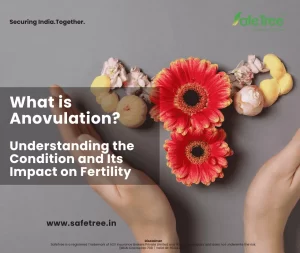
What is Anovulation

What is Anovulation? Understanding the Condition and Its Impact on Fertility

Anovulation is an important part of conception. Generally, the ovaries release a mature egg once a month, providing the possibility for pregnancy. Unfortunately, some women may not have ovulation happen regularly or even at all. This is known as Anovulation.

Many women might never have detected their anovulation, especially if they already have irregular periods. Understanding the meaning of anovulation and recognising the signs, as well as its causes, enables women to implement reproductive health measures without delay and increases the probability of their conception

What is the meaning of Anovulation?

Anovulation is when the ovary does not produce an egg during a menstrual period. If there isn’t ovulation, natural fertility won’t likely work, perhaps not even be possible, because there is a requirement for an egg for it to be effective. During the normal menstrual cycle, hormones, such as Follicle Stimulating Hormone (FSH) and Luteinizing Hormone (LH), control the release of an egg. If the system is disrupted, ovulation can fail to occur. The regular occurrence of anovulation not only impacts fertility negatively but can also call for medical intervention.

Anovulation Symptoms: Signs and Warnings

It can be difficult to diagnose anovulation because each person may have different symptoms. For some women, there are obvious changes in menstruation, while for others, there are hardly any noticeable changes at all.

Common anovulation symptoms include:

1. Irregular Menstrual Cycles

Periods may come too frequently, be delayed for months, or occur unpredictably.

2. Missed Periods

A woman with anovulation may not have any menstruation at all.

3. Very heavy or very light bleeding

Hormonal changes can make the menstrual flow either heavier or lighter than usual.

4. Trouble in Conceiving

Pregnancy can only happen if an egg is released and fertilised. Without it, one does not have much chance of getting pregnant.

5. Lack of normal ovulation indicators

Women don’t always have physical symptoms such as a change in their cervical mucus or a “mittelschmerz” (mild cramping in the pelvic area) or a slight rise in basal body temperature.

6. Hormonal Changes

Depending on the root cause, symptoms like acne, excessive facial hair, weight fluctuations, or hair loss are possible.

7. Premature Ovarian Failure (POF)

In fact, ovaries stop functioning normally before the age of 40 in some women. This results in irregular or no ovulation.

8. Some Medications

Certain types of drugs, such as hormone therapies or psychiatric medicines, may interfere with ovulation.


It is important to know the exact anovulation reasons because many situations can be resolved by lifestyle modifications, medications, or fertility interventions.

Why Future Fertility Planning Matters If You Have Anovulation?

This is where things get serious. Finding out you have anovulation is only the beginning. In cases where irregular ovulation causes a problem, your fertility journey might include undergoing treatments that are not only physically but also financially challenging. Providing fertility care such as ovulation induction drugs (Clomid or letrozole), hormone injections, IUI, or IVF can rapidly become a major financial commitment. Besides infertility, when you are already dealing with the mental stress of infertility, additional financial concerns will be the last thing you want.

That’s why having a fertility plan before starting treatment really helps. Fertility protection plans can help you cover consultations, diagnostics, treatment cycles, and medications without draining your savings. Having a fertility plan means that if you need treatment, you won’t have to choose between your health and your finances.

Conclusion

Anovulation is common and often manageable, but it needs attention and a plan. It doesn’t matter if it’s due to POMS, thyroid, stress, or any other reasons; there is always an answer. The most important thing is that you don’t deal with it alone and that you are prepared for what is going to happen.

That’s where Safetree can help. Safetree offers fertility care plans designed to keep you financially protected at every stage, from your first tests to treatment cycles and more. Your focus should be on your health, not your hospital bills.


FAQs

1. Can stress cause anovulation?

Yes. Sustained stress may cause disruption in the production of hormones responsible for ovulation, especially in those areas that are regulated by the hypothalamus and pituitary gland.

2. Does PCOS cause anovulation?

Yes. PCOS/PMOS is considered to be the main reason for anovulation in many cases. The hormonal imbalance in PCOS can stop ovaries from releasing mature eggs on a regular basis, leading to irregular periods and fertility problems.


Disclaimer:

This blog is for general informational and educational purposes only. The information provided here should not be considered a substitute for professional medical advice, diagnosis, or treatment. Before making any decisions related to health conditions, symptoms, or treatments, readers are advised to consult a qualified healthcare professional.

The information related to insurance is provided for general guidance only. Before choosing any insurance policy, readers should consult our insurance experts to receive detailed advice based on their individual needs and requirements.

2 months ago · by Shiva Vikas Kumar · 0 comments
Impact of Obesity on fertility

How Obesity Impacts Your Future Fertility Planning?

It is universally known that ageing and various diseases lead to problems in one’s fertility. Studies have pointed out that excess weight can change hormonal levels, lead to irregular periods, impair sperm function, and even affect pregnancy results. That knowledge alone can be a major push for you to make lifestyle changes as part of your parenthood preparation.

Understanding What is Obesity

Obesity is the presence of excess body fat that can be especially detrimental to one’s health. In most cases, obesity is straightforward for the clinician to identify and/or diagnose with the Body Mass Index (BMI) test. Obesity is diagnosed using a BMI>30. There are a few different reasons why a person can develop obesity. The typical person can gain weight relatively quickly by eating unhealthy foods, having inadequate insulin levels and/or excessive physical activity, and getting insufficient sleep.

The Connection Between Obesity and Fertility

A suitable hormonal balance inside the body is a prerequisite for the reproductive system to work properly. Unfortunately, when fat accumulates in the body, it may change hormones and interfere with the control of insulin. Subsequently, reproductive health may be affected. For example, tiredness, being overweight, and irregularities in menstruation can be some of the main concerns of obese women.

On the other hand, poor sperm quality and testosterone deficiency can be seen in obese men. In addition, there might be cases when an overweight man or woman does not even get to meet a fertility expert because their doctor advises weight loss first, or fertility treatments may not work well in overweight couples.

Fertility problems do not just relate to conception alone, but are related to delivering a healthy baby without any maternity complications connected with pregnancy and childbirth.

How can obesity affect Female Fertility?

Yes, obesity can harm, as it creates a hormonal imbalance and disturbs regular ovulation, the most important elements of female fertility.

  • Irregularity of Ovulation

A large number of women with obesity experience irregular ovulation. Hence, this means that they may not always ovulate naturally, further complicating their path to conception.

  • Change in Hormones

Body fat can result in an increase in estrogen production. Hormone imbalance may lead to problems with the menstrual cycle and infertility.

  • Obesity and PMOS

Women may suffer from Polyendocrine Metabolic Ovarian Syndrome or PMOS due to obesity, which can lead to other health issues such as irregular periods, acne and excess hair growth, and may be infertile.

It is usually recommended by medical professionals to get a fertility blood test, a scan through ultrasound and an ovulation and thyroid check-up, amongst other tests, to gain a complete picture of one’s situation.

How can obesity affect Male Fertility?

Obesity in India is not something that solely affects female fertility. Male fertility is also susceptible to changes due to carrying too much weight.

  • Testosterone Levels Go Down

One of obesity’s impacts may be the diminishment of testosterone. Testosterone is a hormone that is essential not just to sperm production but also to overall sexual health.

  • Negative Effect on Sperm

Research indicates that obesity may be behind the lowering of sperm concentrations, sperm motility, and the general quality of sperm.

  • Difficulties with Erections

For some obese men, the issue of erectile dysfunction arises as one of the side effects because obesity influences blood circulation and hormone levels.

  • Higher Body Temperature

Accumulation of fat primarily around the stomach and the genital region can raise testicular temperature, which in turn impacts sperm production negatively. In most cases, doctors recommend semen analysis as well as hormone tests when conducting a thorough fertility assessment for men.

Lifestyle habits that often accompany Obesity

Researchers indicate that certain lifestyle and daily habits are among the causes of obesity and also, possibly indirectly, increase the risk of reproductive health decline.

  1. Frequent intake of processed and fried foods/snacks
  2. Little or no exercise
  3. Irregular sleep time
  4. High/uncontrollable stress levels
  5. Smoking and alcohol consumption
  6. Comfort eating

Eventually, these may alter the person’s metabolism and hormones, leading to the decline of fertility health.

Emotional and Mental Health Impact of Obesity

Besides affecting physical health, obesity may also impact one’s emotional side. Some people lose motivation, suffer from low self-esteem, feel societal pressure or worry about their body image and fertility, etc. If the situation persists for a long time, the person’s relationships and mental state may be adversely affected as well.

For couples at the fertility treatment stage, their emotions usually go up and down quite a bit. Adding worries about obesity may worsen their situation. Getting help through such a difficult period from whoever they rely on, friends, family, doctors, or counsellors, is definitely the right thing to do.

Why early fertility planning matters if you have obesity?

Doing fertility planning early on will basically allow you to take the time to assess your reproductive health before you actually give pregnancy a try. The majority of fertility-related problems are capable of being detected early on through regular checkups. A medical professional might recommend the following:

  • Body Mass Index (BMI) checking
  • Hormonal profiling
  • Checking blood sugar levels
  • Thyroid gauging
  • Ultrasound examination
  • Analysis of semen

This means fertility planning includes physical, medical, and financial burdens. Getting the right future fertility plan early on could be a great help in minimising the likelihood of complications later on, as well as in raising one’s reproductive health consciousness.

Healthy Lifestyle Habits That May Support Reproductive Health

Just a few lifestyle changes can go a long way in supporting your reproductive health as well as your overall health.

  • Balanced Diet

Food has a significant impact on the quality of eggs and sperm. To balance hormones and enhance your overall sexual health, a diet should be rich in nutrients and minerals that are found in fruits, vegetables, whole grains, lean proteins, and healthy fats.

  • Regular Physical Activity

Brisk walking, yoga, stretching or any other simple kind of activity enhances weight management and promotes metabolism.

  • Good Sleep

Enough sleep is useful for your hormonal balance. Consistent and restorative sleep not only promotes the functioning of reproductive organs but also boosts your physical health.

  • Stress Management

Stress is a main cause that leaves a negative impact on both the physical and reproductive systems.

  • Routine Health Checkups

Periodic medical examinations may save one’s life by alerting them to any emerging health problems at an early stage.

When should someone seek professional guidance?

One should consider getting a professional opinion from a doctor, among other forms of help, if:

  1. Have irregular periods for over two months
  2. Unable to get pregnant despite regular intercourse
  3. Show the symptoms of PCOS
  4. Are overweight with diabetes and/or thyroid issues
  5. Men who have problems with the quality of sperm and/or sexual health

Conclusion

Being overweight or obese can disrupt the harmony of hormones, leading to fertility problems in both women and men. It can cause irregular ovulation, poor sperm quality, and complications during pregnancy.

In fact, scientific research is consistently revealing the strong association between being overweight and reproductive health problems. Eating a well-balanced diet, undertaking physical exercises regularly, managing stress effectively, and availing a future fertility plan from Safetree are some ways which can together contribute to obtaining wholesome reproductive health and proper fertility planning.

FAQs

1. Can obesity affect fertility in women?

Definitely. Being overweight can interfere with ovulation, hormonal balance, the menstrual cycle, and even well-being, all of which are factors that contribute to fertility in women.

2. Does obesity impact male fertility?

Yes. Besides decreasing testosterone levels, obesity can also lower sperm count and affect sperm motility, along with decreasing the overall state of reproductive health in men.

3. Why is fertility planning important today?

Fertility planning is a strategy through which individuals/couples come to understand their reproductive health status and, at the same time, put in motion measures aimed at promoting a smooth pregnancy whenever the time to conceive comes.

4. Can weight loss enhance fertility awareness?

The natural rhythm of their hormones will most likely get corrected/improved when a person rids themselves of excess fat and keeps it off, which in turn can lead to increased fertility success.

2 months ago · by Shiva Vikas Kumar · 0 comments
PCOS Gets a New name

PCOS Gets a New Name – Here’s Why Experts Are Calling It PMOS

The term ‘PCOS’ has been in use for many years to refer to one of the most prevalent hormonal disorders experienced by women. PCOS, also known as Polycystic Ovary Syndrome, have a direct connection with hormone imbalance, acne, irregular periods, weight gain, fertility issues, and more.

In the current days, medical experts are presenting a new name for the condition. PMOS The reworded term has been used to make the disorder more comprehensible. It’s not a new disease; it is just a name change. Rather, it is a matter of raising awareness on women’s health and a greater understanding of the condition

What is PCOS?

PCOS is a type of hormonal and metabolic disorder. Occurs when the ovaries produce excessive amounts of certain hormones, which can disrupt egg release and the menstrual cycle. Severe symptoms in women suffering from PCOS can include irregular periods, excess facial hair, acne, weight gain, hair thinning, and a hard time getting pregnant.

What a lot of people don’t realise is that many women who get PCOS don’t suffer from ovarian cysts. In fact, some women are diagnosed with the condition but don’t ever have any cysts.

Why has PCOS been renamed to PMOS?

The name POS (Polycystic Ovary Syndrome) doesn’t accurately describe the disorder, experts believe. In some women, the disorder can affect their health; however, in many women, it impacts more than reproductive health. The original designation had focused exclusively on cysts and ovaries and missed the range of hormonal, metabolic, insulin and general health effects caused by the condition, researchers say.

For this reason, doctors and international medical organisations suggested the new name ‘PMOS’ to better accommodate the condition itself as a whole-body disorder and not solely an issue with the ovary. The name change is intended to help reduce the misinformation, increase understanding, and help women identify symptoms earlier.

What does PMOS mean?

PMOS stands for Polyendocrine Metabolic Ovarian Syndrome.

Although the name sounds more medical, each word explains an important part of the condition.

Polyendocrine” refers to the involvement of multiple hormones in the body. “Metabolic” comes up with issues related to insulin resistance, weight gain and diabetes risk. “Ovarian” refers to the reproductive aspect of the disease, and “syndrome” refers to a collection of symptoms included in the disease. This new term means scientists think they get a fuller picture of what women who contract the disease go through each day.

What is the difference between PMOS and PCOS?

Experts state the disorder does not change the specifications of the disease; they are just new names which would better help everyone know what is going on in the body.

Here’s a simple comparison:


PCOS PMOS
Old medical term New proposed medical term
Focused mainly on the ovaries Focuses on hormonal and metabolic health
Often misunderstood because not all women have cysts More medically accurate and descriptive
Mostly linked with fertility issues Recognizes whole-body health effects
Emphasized ovarian cysts Highlights hormones, metabolism, and reproductive health

Why does the name change matter for women?

The new name will mean a change for many women. PCOS has been a misdiagnosed condition, particularly as many people associate “polycystic” with cysts being the cause. PCOS, renamed as ‘PMOS’, is a name for the more hormonal part of the condition so as to divert attention from the other side, which is metabolic. When it also helps to lead off a discussion on long-term health risks, it’s no longer just about fertility.

One primary reason doctors hope the new terminology will enable women to feel heard, understood and more informed about their health.

Conclusion

The shift from PCOS to PMOS is a sign of improved awareness of a disorder affecting millions of women all over the world. The experts hope that the shifts in diagnosis, treatment and level of support for women living with PMOS will come with the introduction of the concept of referring to PCOS as PMOS.

Experts hope the transition to PMOS will bring about greater awareness and will minimise confusion, which will translate into an earlier diagnosis and, consequently, better treatment and support for women who live with PMOS.

5 months ago · by Shiva Vikas Kumar · 0 comments
IVF Success rate in india

IVF Success Rate in India & Why You Should Consider IVF Insurance Before Starting Treatment

IVF gives hope to many couples who are having trouble becoming pregnant and hope for establishing a family. In the last ten years, IVF technology has come a long way, enabling millions of couples to get pregnant. But many people wonder, “What’s the real likelihood?” before embarking on fertility treatments. India’s IVF success rates have improved, thanks to advancements in medical technology, the expertise of fertility specialists, and refined laboratory methods. However, IVF isn’t guaranteed. Your age, the condition of your reproductive system, the embryos’ viability, and your overall lifestyle all influence your odds of success.

Before embarking on IVF, understanding its success rates in India is crucial, given the potential medical and financial implications. Many couples are also exploring IVF insurance these days, seeking protection against the expenses of multiple cycles or the possibility of a high-risk pregnancy.

IVF Success Rate by Age in India

India’s IVF success rates are competitive globally, thanks to its advanced fertility clinics and skilled professionals. Fertility specialists explain that a woman’s age and general reproductive health significantly influence the typical success rate. For women under 35, success rates typically range from 50% to 60%. The likelihood of success diminishes somewhat, dropping to roughly 40% to 50% for individuals between 35 and 37 years old. Women in the 38 to 40 age bracket see their chances of success at 30% to 40%. For those over 40, the odds are less favourable, ranging from 10% to 25%.

Younger women frequently experience more favourable outcomes when undergoing in vitro fertilisation, a consequence of healthier eggs and reproductive systems. It’s worth noting, though, that success rates can vary significantly between fertility clinics. The success rates are influenced by a variety of factors, including the laboratory’s technology, the expertise of the physician, and the overall health of the couple undergoing treatment.

The success rate of IVF in India is getting better every year, although many couples still need more than one treatment to get pregnant. This is one reason why making a financial plan is such a crucial aspect of getting pregnant.

What is the success rate of IVF?

The chances of IVF succeeding aren’t simply a matter of a single number. Worldwide, the success rate for each cycle generally hovers around 40% to 60%. However, these numbers can vary considerably on the basis of a woman’s age, specific fertility conditions, and the expertise of the clinic. It’s worth digging deeper into these statistics.

The quality of the eggs and sperm, the health of the embryos, how receptive the uterine environment is, and lifestyle factors like weight, stress levels, and smoking habits all play a role in whether or not you will be successful. It’s normal to want results right away, but many couples find that IVF doesn’t always work the first time. The truth is, successful implantation often demands two or more attempts. Understanding this can help you prepare yourself mentally, physically and financially for the process.

IVF Success Rate by Age

Age is the most significant biological factor in determining IVF success, as both egg quantity and quality naturally decline over time. Understanding how these rates shift across different life stages can help you make informed decisions about your fertility journey.

Age Group Estimated Success Rate (per cycle) Key Considerations
Under 35 50%–60% Generally, due to healthier eggs and higher implantation potential, success rates becomes higher at this age bracket
35–37 40%–50% A slight decline in natural fertility begins, but the outcomes remain strong with proper medical support
38–40 30%–40% At this age, a noticeable decrease in egg quality occurs that may affect embryo development and stability
Over 40 10%–25% Increased risk of chromosomal abnormalities. At this point, specialists may suggest donor eggs to improve the odds

Understanding Success Factors

Success is influenced by a complex mix of personal and medical variables. Recognising these helps remove the pressure often placed on that first attempt.

Maternal age frequently emerges as the most telling factor in the success of IVF. The underlying cause of infertility, or the fertility diagnosis, is also important. The quality of the embryos and their health and potential for development significantly impact the process. Hormonal balance and the condition of the uterus dictate how well the body can accept the implanted embryo. Finally, general lifestyle and health, encompassing nutrition, stress, and weight, all play a part in the eventual result.

Factors that affect IVF success rate

Several medical and lifestyle factors influence the success rate of IVF. Understanding these can help you prepare better and potentially improve your chances.

Factors How It Impacts Your Results
Maternal Age It is the most critical biological marker. Younger age typically correlates with higher egg quality and quantity
Gamete Quality The baseline health of both eggs and sperm is the foundation for creating a viable, strong embryo
Embryo Viability High-quality embryos have a significantly better chance of successful implantation and healthy development
Uterine Environment Underlying conditions like fibroids, endometriosis, or hormonal imbalances can affect how well the uterus receives an embryo
Clinic Excellence The success of a cycle often hinges on the specialist’s experience and the sophistication of the laboratory technology used
Lifestyle Choices Modifiable factors such as BMI, stress levels, smoking, and alcohol consumption can directly influence fertility outcomes

Why is IVF insurance important before starting IVF treatment?

IVF can be a rollercoaster, both emotionally and financially. Because several cycles are often necessary, the total expense can really add up for many couples. Consequently, IVF insurance is becoming a must-have for those considering this path.

Key Advantages of IVF Insurance:

  • Financial Protection: It acts as a shield against the steep expenses associated with multiple cycles and specialised lab work.
  • Medical coverage generally includes backing for specific medical procedures and any necessary hospitalisations.
  • Sharing the financial burden can ease the emotional strain on couples navigating the ups and downs of treatment.

Final Thoughts

IVF has provided a new beginning for countless couples grappling with infertility. In recent years, India’s IVF success rates have risen, reflecting advancements in medical technology, the skill of fertility specialists, and improved treatment approaches. Yet, it’s important to keep in mind that IVF requires patience; a successful pregnancy isn’t guaranteed on the first attempt. The success of in vitro fertilisation (IVF) is contingent upon a confluence of critical elements: the woman’s age, the quality of the embryos, her overall reproductive health, and the proficiency of the fertility clinic. Consequently, the process of preparing for IVF is not only emotional and physical but also requires careful financial consideration.

SafeTree is here to assist couples in navigating the often-complex world of IVF insurance. By finding the right coverage, couples can concentrate on their path to parenthood, feeling more assured and less stressed. This allows them to better manage the financial side of treatment and the care that follows.


Disclaimer:

This blog is for general informational and educational purposes only. The information provided here should not be considered a substitute for professional medical advice, diagnosis, or treatment. Before making any decisions related to health conditions, symptoms, or treatments, readers are advised to consult a qualified healthcare professional.
The information related to insurance is provided for general guidance only. Before choosing any insurance policy, readers should consult our insurance experts to receive detailed advice based on their individual needs and requirements.

5 months ago · by Shiva Vikas Kumar · 0 comments
ivf failure in hindi

आईवीएफ फेल होने के लक्षण और कारण – अगली कोशिश से पहले IVF इंश्योरेंस क्यों जरूरी है?

आईवीएफ (IVF) आज के समय में उन दंपतियों के लिए एक उम्मीद की किरण है जो प्राकृतिक रूप से गर्भधारण करने में कठिनाई का सामना कर रहे हैं। लेकिन हर बार IVF सफल हो, यह जरूरी नहीं है। कई बार पहली या दूसरी कोशिश में सफलता नहीं मिलती। ऐसे में भावनात्मक और आर्थिक दोनों तरह का दबाव बढ़ जाता है।

इसीलिए IVF प्रक्रिया को समझना, आईवीएफ फेल होने के लक्षण, कारण और आगे क्या कदम उठाने चाहिए – यह जानना बहुत जरूरी है। साथ ही, IVF जैसी महंगी प्रक्रिया में IVF इंश्योरेंस और IVF मैटरनिटी इंश्योरेंस आर्थिक सुरक्षा प्रदान कर सकते हैं।

आईवीएफ फेल होने के लक्षण

आईवीएफ फेल होने के लक्षण कई बार शुरुआती दिनों में स्पष्ट नहीं होते, लेकिन कुछ सामान्य संकेत निम्न हो सकते हैं:

  • पीरियड्स का शुरू हो जाना – अगर एम्ब्रियो ट्रांसफर के 10-14 दिन बाद मासिक धर्म शुरू हो जाए, तो यह IVF असफल होने का संकेत हो सकता है।
  • प्रेग्नेंसी टेस्ट का नेगेटिव आना – ब्लड टेस्ट (बीटा hCG) में हार्मोन का स्तर कम होना या नेगेटिव रिपोर्ट आना।
  • गर्भावस्था के लक्षणों का न होना – जैसे मतली, थकान, स्तनों में दर्द आदि का महसूस न होना।
  • पेट में तेज दर्द या भारी ब्लीडिंग – यह संकेत हो सकता है कि इम्प्लांटेशन सफल नहीं हुआ।
  • भावनात्मक बदलाव – लगातार तनाव, निराशा या बेचैनी भी IVF असफल होने के बाद देखी जाती है।

हालांकि, केवल लक्षणों के आधार पर निष्कर्ष निकालना सही नहीं है। सही स्थिति जानने के लिए डॉक्टर द्वारा किया गया ब्लड टेस्ट ही निर्णायक होता है।IVF की हर कोशिश भावनात्मक रूप से चुनौतीपूर्ण होती है, लेकिन आर्थिक रूप से भी यह प्रक्रिया काफी महंगी होती है। इसलिए कई दंपति अब IVF इंश्योरेंस प्लान को प्राथमिकता दे रहे हैं ताकि असफल प्रयास की स्थिति में दोबारा उपचार आर्थिक रूप से आसान हो सके।

आईवीएफ फेल होने के कारण

IVF की सफलता कई चीज़ों पर निर्भर करती है। इसके असफल होने के पीछे ये कुछ प्रमुख कारण हो सकते हैं:

1. भ्रूण (Embryo) की गुणवत्ता: अगर एम्ब्रियो स्वस्थ नहीं है, तो गर्भधारण में मुश्किल आती है।

2. गर्भाशय से जुड़ी समस्याएँ: गर्भाशय की परत (Lining) का सही न होना या अन्य विकार।

3. हार्मोनल असंतुलन: शरीर में हार्मोन का स्तर सही न होना।

4. बढ़ती उम्र: उम्र बढ़ने के साथ अंडों की गुणवत्ता और संख्या कम होने लगती है।

5. लाइफस्टाइल: अत्यधिक तनाव, मोटापा या धूम्रपान का असर।

ध्यान दें हर व्यक्ति की स्थिति अलग होती है। सही कारण समझने के लिए अपने फर्टिलिटी विशेषज्ञ से सलाह लेना सबसे बेहतर है।

आईवीएफ फेल होने के बाद क्या करें?

अगर IVF असफल हो जाता है तो घबराने की बजाय सही कदम उठाना जरूरी है:

  • अपने डॉक्टर से विस्तृत रिपोर्ट की समीक्षा कराएं।
  • आवश्यक टेस्ट दोबारा करवाएं।
  • जीवनशैली में सुधार करें।
  • मानसिक स्वास्थ्य का ध्यान रखें।
  • अगली कोशिश से पहले वित्तीय योजना बनाएं।

यहां पर IVF मैटरनिटी इंश्योरेंस या IVF कवर वाली हेल्थ पॉलिसी आपकी बड़ी मदद कर सकती है। इससे दोबारा उपचार के खर्च का बोझ कम हो जाता है और आप बिना आर्थिक चिंता के अगली कोशिश कर सकते है|

अगली कोशिश से पहले IVF इंश्योरेंस क्यों जरूरी है?

IVF उपचार का खर्च लाखों रुपये तक पहुंच सकता है। यदि पहली कोशिश असफल हो जाए तो दोबारा उपचार करवाना हर किसी के लिए आसान नहीं होता। ऐसे में:

  • उपचार खर्च का वित्तीय सुरक्षा कवच
  • अस्पताल में भर्ती, दवाइयों और संबंधित प्रक्रियाओं का कवर
  • IVF के साथ मैटरनिटी बेनिफिट
  • मानसिक शांति और आर्थिक स्थिरता

SafeTree जैसे अनुभवी इंश्योरेंस ब्रोकर्स आपको विभिन्न कंपनियों की IVF और IVF मैटरनिटी इंश्योरेंस पॉलिसी की तुलना करके सही विकल्प चुनने में मदद करते हैं।

निष्कर्ष

आईवीएफ फेल होना निराशाजनक जरूर हो सकता है, लेकिन यह अंत नहीं है। सही कारण की पहचान, उचित चिकित्सा सलाह और मजबूत वित्तीय योजना के साथ अगली कोशिश सफल हो सकती है।अगर आप IVF प्रक्रिया शुरू करने की सोच रहे हैं या दोबारा प्रयास की तैयारी कर रहे हैं, तो पहले IVF इंश्योरेंस विकल्पों की जानकारी जरूर लें। इससे आप भावनात्मक और आर्थिक दोनों रूप से सुरक्षित रहेंगे।


Disclaimer

यह ब्लॉग केवल सामान्य जानकारी और शैक्षिक उद्देश्य के लिए तैयार किया गया है। इसमें दी गई जानकारी किसी भी प्रकार की चिकित्सीय सलाह, निदान या उपचार का विकल्प नहीं है। किसी भी स्वास्थ्य संबंधी समस्या, लक्षण या उपचार से जुड़े निर्णय लेने से पहले कृपया अपने स्वास्थ्य विशेषज्ञ से परामर्श अवश्य करें।

बीमा से संबंधित जानकारी केवल सामान्य मार्गदर्शन के लिए है। किसी भी IVF या IVF मैटरनिटी इंश्योरेंस पॉलिसी के चयन से पहले अपनी आवश्यकताओं के अनुसार विस्तृत सलाह प्राप्त करने हेतु हमारे बीमा विशेषज्ञ से संपर्क करें।

5 months ago · by Sanidhya Kain · 0 comments
Performance Bond

What is a Performance Bond? How It Works & Why It is Required

Winning a contract is just the beginning of a project. What truly matters for the project owner is the confidence that the contractor will finish the work as promised and within the agreed terms. To reduce this risk, many authorities ask for a performance bond. If you are bidding for government, infrastructure, EPC, or large private sector projects, understanding what a performance bond means and how it works can help you plan better both financially and contractually.

What is a performance bond?

A performance bond is a financial guarantee that gives the project owner confidence that the contractor will complete the job exactly as agreed. In simple terms, it’s a commitment supported by a surety or insurer that the work will be delivered, deadlines will be respected, and the required quality standards will be maintained.

If something goes wrong and the contractor is unable to fulfil the contract, the surety steps in. Depending on the bond terms, they may compensate the project owner for the loss or help arrange completion of the remaining work. Since these guarantees are issued by insurers, they are often informally called performance bond insurance.

How does a performance bond work?

A performance bond kicks in when a contractor lands a project. Once the contract is signed, the project owner typically demands this bond before any actual work starts. Think of it as a financial guarantee, promising the project will be finished as agreed on time, within budget, and to the specified standards. The bond stays in effect while the contractor is on the job, acting as a kind of safety net. If the contractor, for any reason, fails to fulfil their end of the bargain, the project owner can call on the bond. In those instances, the surety steps in, assessing the situation. Depending on the bond’s specifics, they might cover the financial shortfall or assist in getting the remaining work done.

Performance Bond vs Bid Bond

These two are often confused but apply at different stages.

Feature

Performance Bond

Bid Bond

When required After winning the contract During tender submission
Purpose Ensures project completion Ensures bidder will accept contract
Risk covered Non-performance during execution Withdrawal or refusal to proceed
Duration Throughout project period Till award and agreement

In short, a bid bond gets you the job, while a performance bond helps you to keep it.

What is the cost of a performance bond?

The price of a performance bond depends on:

  • Contract value
  • Risk level
  • Financial profile
  • Project duration
  • Underwriting assessment

For many contractors, surety bonds are preferred because they typically avoid large collateral blocks compared to bank guarantees.

Conclusion

A performance bond is essential in today’s world. It offers project owners reassurance and helps contractors establish trust by demonstrating their commitment to fulfilling the contract. When businesses grasp the significance of a performance bond, its mechanics, and the criteria insurers use for approval, they can approach tenders with increased assurance and a more robust competitive position.

As infrastructure and government projects proliferate throughout India, performance bond insurance is often a mandatory requirement. SafeTree assists contractors by streamlining the process, ensuring they obtain the appropriate bond with both clarity and confidence.


Disclaimer:

This blog is for general informational and educational purposes only. The information related to insurance is provided for general guidance only. Before selecting any insurance policy, readers are advised to consult our insurance experts for detailed advice based on their individual needs.

6 months ago · by Shiva Vikas Kumar · 0 comments
Egg freezing in india

Is Egg Freezing Covered by IVF Insurance in India?

Modern life often moves faster than we think. Whether you’re climbing the career ladder, navigating health challenges, or simply haven’t found the right partner yet, the pressure of a ‘timeline’ can be heavy. Egg freezing changes the narrative, allowing you to hit pause on your biological clock so you can pursue your goals today without sacrificing your dreams of motherhood tomorrow.

What is the meaning of egg freezing?

Egg freezing is the process of collecting the female eggs, freezing them, and storing them for later use. You can thaw those eggs, fertilise them through IVF, and then move them to the uterus when the female is ready to get pregnant.

People usually consider egg freezing when:

  • They want to delay childbearing for personal or professional reasons.
  • They’re facing medical treatments that could affect fertility.
  • They want to preserve younger, healthier eggs for down the road as per their family planning.

What is the egg freezing process?

The process happens in a few clear steps:

1) Ovarian Stimulation

For approximately 10 to 12 days, you will self-administer hormone injections to encourage your ovaries to develop multiple mature eggs simultaneously.

2) Clinical Monitoring

Your care team will use regular ultrasounds and blood tests to track follicle development and pinpoint the exact moment your eggs are ready.

3) Egg Retrieval

A quick procedure done with light sedation in which the doctor retrieves the mature eggs.

4) Vitrification & Storage

Your eggs are flash-frozen (vitrified) and securely stored in a lab until you are ready to use them for IVF.

Eggs Freezing Cost in India

Egg freezing is a significant financial commitment, with total expenses varying widely based on the specific clinic, geographic location, medication requirements, and the intended length of storage. On average, a single stimulation and retrieval cycle typically costs between ₹1 lakh and ₹2.5 lakhs.

However, this initial price point is not the final total. Patients must also account for recurring yearly storage fees and the cost of IVF when the eggs are ready to be used. Because some individuals require more than one cycle to harvest a sufficient number of eggs, these expenses can escalate quickly. So, planning the financial aspects of the procedure early is just as vital as the medical preparation itself.

What about the egg-freezing age limit?

There’s no strict legal cutoff, but doctors generally recommend doing this at a younger age. Here’s why:

  • Egg quality is better when you’re younger
  • Your chances of future pregnancy improve
  • You may need fewer cycles overall

Most fertility experts say that you should plan to freeze your eggs before you are 30, but the best time for you depends on your own scenario.

Is Egg Freezing Covered by IVF Insurance in India?

This is perhaps the most looked at and least understood question about freezing eggs. Most health insurance plans in India used to classify fertility preservation as an optional service, which meant that they didn’t cover it very much. But things are starting to change.

Today, some specialised fertility insurance plans may offer benefits for:

  • Ovarian stimulation
  • Egg retrieval procedures
  • Medications
  • Future IVF attempts

Coverage often depends on:

  • Waiting periods before benefits kick in
  • Medical eligibility criteria
  • Whether you have employer-sponsored or individual coverage
  • Defined policy limits

Policy details are very important. Reviewing your coverage in advance ensures you clearly understand what is included before starting the treatment.

How can we support your fertility planning?

SafeTree is the market leader in fertility insurance, offering plans designed specifically to ease the financial burden of treatments such as IVF and egg freezing. Depending on the policy structure and eligibility, Safetree Insurance plans may include coverage for egg freezing after a defined waiting period, such as one year of continuous membership. This allows you to plan ahead, reduce last-minute financial pressure, and move forward with medical decisions feeling informed and secure.

Frequently Asked Questions

Is egg freezing painful?

Most women do not experience significant pain during egg freezing. While taking the hormone injections, you may feel some bloating or mild discomfort as the ovaries work to produce multiple eggs. The retrieval is done while you are sedated, so you won’t feel any pain during the process. Afterwards, it’s common to feel some cramping, but it normally goes away in a day or two.

Does egg freezing stop periods?

No, freezing eggs does not permanently change your period cycle. The drugs change your hormones for a short time, so your period can come a few days earlier or later that month. Most women go back to their normal cycle after the surgery.


Disclaimer:

This blog is for general informational and educational purposes only. The information provided here should not be considered a substitute for professional medical advice, diagnosis, or treatment. Before making any decisions related to health conditions, symptoms, or treatments, readers are advised to consult a qualified healthcare professional.

The information related to insurance is provided for general guidance only. Before choosing any insurance policy, readers should consult our insurance experts to receive detailed advice based on their individual needs and requirements.

6 months ago · by Shiva Vikas Kumar · 0 comments
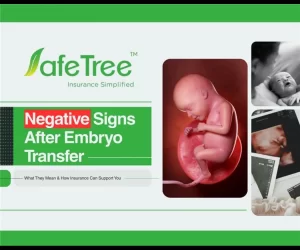
Negative signs after embryo transfer

Negative Signs After Embryo Transfer: What They Mean & How Insurance Can Support You

Embryo transfer is one of the most emotionally charged stages of IVF. Symptoms after embryo transfer can be maddeningly unclear. A cramp could mean implantation. Or it could mean nothing. No symptoms at all? That could be totally normal. Or it could leave you spiralling with worry.

We are here to walk you through common negative signs after embryo transfer, what they actually mean (and what they don’t), and how having the right fertility insurance can help you move forward no matter what happens.

What happens after embryo transfer?

Your body goes through a two-week waiting period after the embryo is put in your uterus. During this period, the embryo may attach to the uterine lining. The meds you’re taking are changing your hormones.

About 10 to 14 days after the transfer, your clinic will schedule a beta-hCG blood test to see if you’re pregnant. Your body is getting used to hormones and maybe even early pregnancy. Thus, symptoms can be very different from person to person. That’s why focusing too much on them usually just makes things more confusing.

Some common negative signs after embryo transfer

Bear in mind that none of these symptoms alone can tell you whether the transfer worked or not. Only a beta hCG blood test can give you a definitive answer.

1. Heavy Bleeding or Period-Like Flow

A little spotting? That can actually be a sign of implantation. But heavy bleeding that feels more like your period usually suggests that implantation didn’t happen. It’s hard not to panic when you see blood, but if it’s light, don’t overthink! Take a deep breath and wait for your test.

2. No Symptoms at All

You might be waiting for nausea, breast tenderness, or some sign that your body knows it’s pregnant. But plenty of women who later test positive feel absolutely nothing in those early days. Having no symptoms could also mean your body is quiet.

3. Severe Cramping or Pain

Mild cramping is normal and even common. But if you’re experiencing intense, persistent pain or something similar to your period cramps, don’t wait it out. Call your fertility clinic right away.

4. Negative Pregnancy Test

The most accurate evidence that implantation didn’t happen is a negative beta hCG blood test done when your doctor told you to. It’s sad, but it’s also certain, and knowing this gives you the clarity to decide what to do next.

5. Unusual Physical Symptoms

Things like dizziness, persistent nausea, fever, or abnormal discharge aren’t typical post-transfer symptoms. If you’re experiencing any of these, reach out to your clinic. They could indicate something that needs medical attention.

Related Blog –  Positive Signs After Embryo Transfer

Why do these signs not tell the full story?

The trouble with having symptoms during the two-week wait is that they can be caused by so many different things:

  • Side effects from the hormone drugs you’re taking
  • What your body normally does throughout IVF operations
  • Signs of early pregnancy that don’t really mean you’ll have a successful or unsuccessful pregnancy

Because of all this overlap, recording your symptoms usually doesn’t tell you anything, even if you mean well. That’s why your clinic will constantly stress that only a medical test can provide you a real answer.

When to contact your doctor?

Reach out to your healthcare provider right away if you experience:

  • Heavy or prolonged bleeding
  • Severe abdominal or pelvic pain
  • Fever or signs of infection
  • Severe dizziness or fainting
  • A negative hCG result (so you can discuss next steps)

These symptoms may need immediate medical attention, and it’s always better to check in than to wait and worry.

How can insurance help you after a negative embryo transfer?

Here’s something that doesn’t get talked about enough: what happens financially when a cycle doesn’t work. A negative result is emotionally devastating, but it can also feel like a financial dead end if you’re not prepared. This is where the right insurance makes a real difference.

Coverage for Additional Attempts

Many fertility insurance plans include coverage for multiple IVF cycles or embryo transfers within a benefit period. That means a negative result doesn’t automatically become a financial setback; you have room to try again without starting from scratch financially.

Medication Coverage

Fertility medicines are expensive. Progesterone, oestrogen, and stimulation drugs add up fast. If your insurance covers medications for repeat cycles, it can significantly reduce your out-of-pocket costs and take some pressure off.

Diagnostic and Follow-Up Care

After a negative result, your clinic might recommend additional testing to figure out what happened and how to improve your chances next time. This could include hormone tests, imaging, scans, or preimplantation genetic testing. Depending on your plan, these services may be partially or fully covered.

Financial Planning Support

Working with your insurer early in the process helps you understand things like

  • Deductible requirements
  • Lifetime maximums for fertility treatments
  • Prior authorization timelines
  • Which tests or medications need approval before you start

Knowing these details upfront means you can plan your next steps with confidence instead of scrambling to figure out costs after the fact.

Conclusion

Post-transfer negative signs are extremely common and misleading and almost never tell the whole story on their own. Symptoms are powerless to predict the outcome; only your beta hCG blood test can determine that.

If you’re not happy with the outcome, it’s okay to grieve. It’s okay to take time. And when you’re ready to start thinking about next steps, it can make all the difference to have the right support in place, medically and financially.

With sound medical advice and SafeTree at your side, you can navigate through good outcomes as well as bad ones with more clarity, confidence, and financial security. You’re not alone in this.

Disclaimer – This content is for informational purposes only and should not be considered medical or financial advice. Please consult a qualified healthcare professional and your insurance provider for personalised guidance.

6 months ago · by Shiva Vikas Kumar · 0 comments
positive signs after embryo transfer

Positive Signs After Embryo Transfer

If you’re currently undergoing IVF, you must be riding a rollercoaster of emotions, thoughts, and anxiety, along with a significant amount of waiting. And the waiting period after embryo transfer is an intense period of time. Those two weeks between the embryo transfer and your pregnancy test can feel like the longest fortnight of your life.

It is quite natural to become super aware of every little thing your body does during this period. A twinge here, a cramp there, or even just a wave of sudden tiredness, could it mean something? Maybe. But here’s the reality: while some indicators may signal things are on the right track, they’re not guarantees. The only way to confirm for sure is a blood test that your doctor will set up.

That said, why don’t we start by running down a few of the typical things people feel after they have an embryo transfer, not because we want to fill you with false hope, but more so that you can know what might be par for the course and what’s maybe worth calling in about.

Common Positive Signs After Embryo Transfer

Here are some positive signs that you can feel after embryo transfer:

1. Mild abdominal cramping or twinges

Some women feel light cramping or little twinges in their lower belly a few days after the embryo transfer. This can happen when the embryo is burrowing into the uterine lining, which is called implantation. The sensation is usually gentle, more like a much milder version of period cramps. While it’s easy to overthink each flutter, it’s often just your body going through its natural process.

2. Light bleeding or implantation spotting

A bit of light bleeding or spotting can show up a few days post-transfer, and it can be alarming if you’re not expecting it. But light pink or brownish spotting that lasts just a day or two is often linked to implantation. Some people get this sign, and its absence doesn’t indicate a problem. Everybody has a different body, and so do their nature and reactions.

3. Breast Tenderness

Sore and sensitive breasts are quite common after embryo transfer, and it can be difficult to determine whether this is due to the hormonal medications you are taking or early pregnancy. Either way, if your breasts feel tender or swollen, you’re not imagining it. It’s a real and very normal response to all the hormonal shifts happening in your body.

4. Fatigue or Sleepiness

If you suddenly feel like you could nap at any moment, you’re not alone. Progesterone, the hormone that helps support early pregnancy, can make you feel exhausted. It’s not the kind of tired that a good night’s sleep fixes, either. It’s deeper, like your body is working overtime behind the scenes. Because it is doing exactly that!

5. Frequent Urination

Do you find yourself going to the bathroom more often? Yes, that can happen. Changes in hormones and the first signs of pregnancy can make you need to go to the bathroom more often. It could seem annoying, but it’s just your body getting used to things.

6. Nausea or Food cravings

Nausea normally starts later in pregnancy, although some women notice it earlier, especially during IVF when hormone levels are already high. You might also notice that things you usually adore suddenly don’t seem good to you, or that you’re desiring something strange. Not everyone goes through these changes straightaway, but they do happen.

7. Mood Swings or Emotional Sensitivity

Let’s be honest: IVF is hard on your emotions even without extra hormones. But the drugs you’re taking can make everything worse. You can cry during advertisements, feel anxious for no reason, or just be more sensitive than usual. That’s perfectly typical. Be nice to yourself right now because you’re going through a lot. Do you find yourself going to the bathroom more often? That can also happen. Changes in hormones and early pregnancy symptoms might sometimes make you need to pee more often. It’s one of those things that seems like a hassle but is really simply your body getting used to it.

Related Blog –  Negative Signs After Embryo Transfer: What They Mean & How Insurance Can Support You

When should you consult your doctor?

Most of what you’ll experience during the two-week wait isn’t a problem to handle. But some symptoms need to be seen by a doctor once. Symptoms like

  • Very bad stomach discomfort
  • A lot of bleeding (more than just spotting)
  • Sudden swelling or trouble breathing
  • Fever above 101°F

Don’t put these off or ignore them. Call your fertility clinic straight away if you feel any of these symptoms. It’s always best to check in and remain safe.

Why proper care after embryo transfer matters?

Once your transfer is done, your job is pretty simple: take care of yourself and follow your doctor’s instructions. Here’s what that usually looks like:

1. Avoid heavy physical activities – You don’t need to stay in bed all the time, but skip the intense workouts, heavy lifting, or anything that feels like too much strain on your body.

2. Take prescribed medications regularly – Those progesterone supplements and other meds? They’re there for a reason. Stick to the schedule your clinic gave you.

3. Maintain a healthy diet—Eat nourishing foods, stay hydrated, and listen to what your body needs.

4. Stay calm and manage stress –  We know it’s easier said than done. But there are many ways to relax that can truly help, like going for a walk, meditating, talking to someone, or simply binge-watching your favorite shows.

5. Follow your doctor’s instructions carefully –  Every clinic has its own protocol. Trust your team and reach out if you’re unsure about anything.

These steps won’t guarantee success, but they do create the best possible environment for implantation to happen.

How can maternity insurance support your IVF journey?

People don’t talk about this enough: IVF costs a lot of money. Costs might add up rapidly because of operations, prescriptions, monitoring appointments, and follow-ups. And if you need more than one cycle, the stress on your finances only gets worse.

Having the correct insurance can really help in this situation. IVF maternity insurance is different from ordinary health insurance because it only covers the costs of fertility treatments and the things that go along with it. Some plans pay for diagnostic tests, consultations, drugs, and costs connected to pregnancy. Some others provide fertility or maternity add-ons that can help with the costs.

Before you start the procedure, it’s worth taking some time to:

1. Check whether fertility treatments are covered in your policy. Not all plans include IVF maternity, so it’s important to know what’s actually covered.

2. Understand waiting periods and exclusions. Some policies have waiting periods before fertility benefits kick in or specific exclusions you should know about upfront.

3. Review maternity benefits and add-on coverage options. See what’s included and whether adding extra coverage makes sense for your situation.

4. Plan finances for multiple treatment cycles if required. IVF doesn’t always work on the first try, and being financially prepared for that possibility can reduce stress down the line.

With a financial plan, you can focus on your treatment and well-being instead of worrying about how to pay for everything.

Final Thoughts

After the embryo transfer, the indicators you see could give you optimism or make you doubt everything. The truth is that symptoms can be very different from person to person. Some women have a lot of these indications and still obtain a negative test. Some people don’t feel anything at all and get pregnant. It’s irritating, but there’s no sure way to read your body right now.

The most reliable answer will come from your doctor’s recommended pregnancy test. Until then, try to be patient with yourself (we know, easier said than done), and take things one day at a time.

IVF is as much an emotional journey as it is a medical one. Preparing yourself physically, emotionally, and financially can help make the process a little smoother. Financial support options like those offered by SafeTree are designed to ease the burden of treatment costs so you can put more energy into taking care of yourself and less into worrying about bills.

With the right medical guidance, emotional support, and a solid financial plan, you can move through your fertility journey with a little more confidence and a little less stress. You’ve got this.

Disclaimer –   This content is for informational purposes only and should not be considered medical or financial advice. Please consult a qualified healthcare professional and your insurance provider for personalized guidance.