
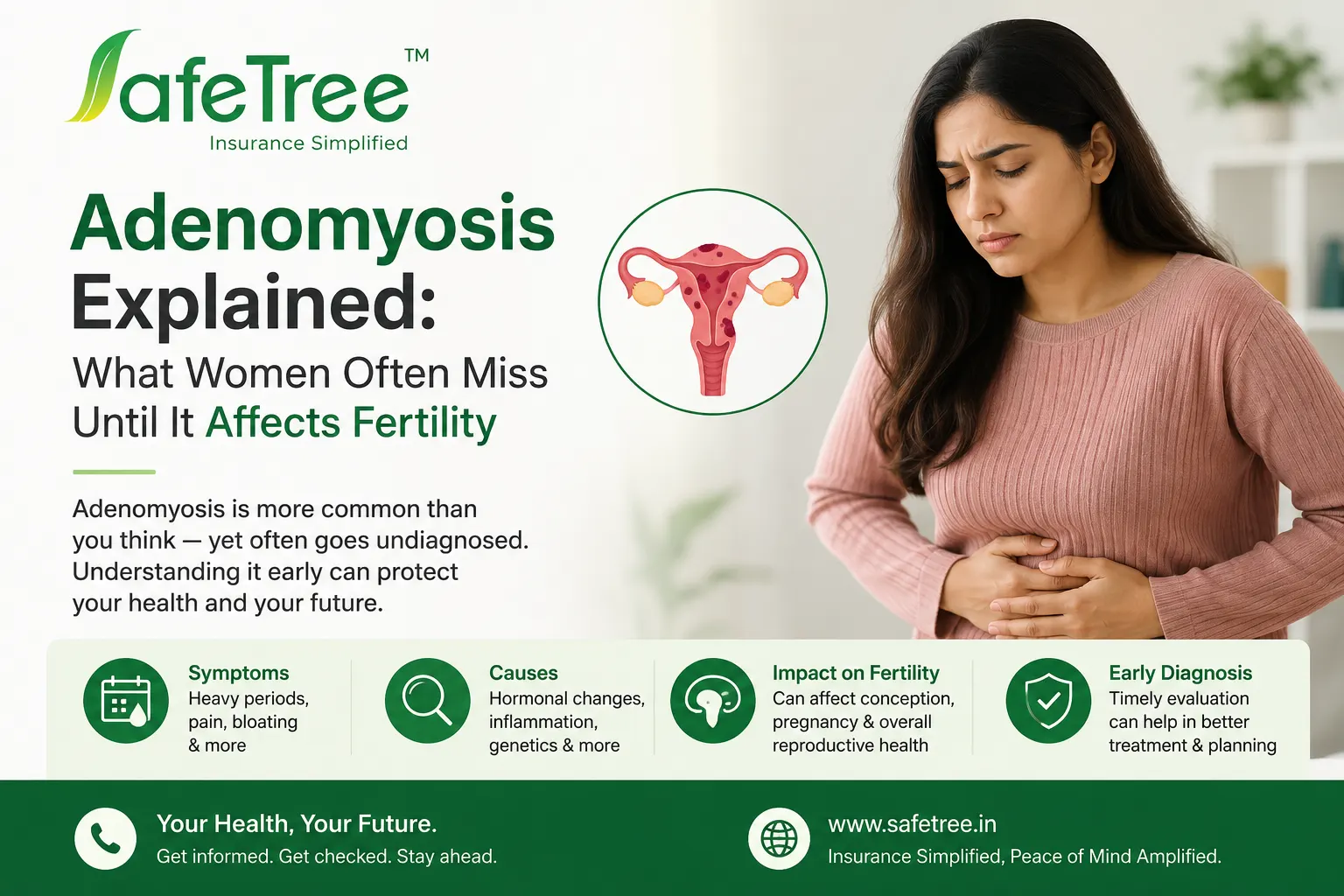
Adenomyosis Explained: What Women Often Miss Until It Affects Fertility
For years, women experience heavy periods, pelvic pain and constant fatigue without knowing that the cause may be adenomyosis. It is often overlooked because symptoms are similar to “normal period problems”, until the condition is noticed if it interferes with daily life or fertility.
Women can benefit from being informed about adenomyosis at an early stage in order to be able to manage symptoms, maintain reproductive well-being, and receive appropriate treatment at the right time. This guide explains everything in simple words – from symptoms and causes to stages and fertility concerns.
What is Adenomyosis?
In adenomyosis, the tissue that forms the inside lining of the uterus grows in the muscle wall of the uterus. This results in the thickening, swelling and often painful uterus. The hard part about adenomyosis is that this tissue continues to function as normal menstrual tissue each month. During the menstruation period, it thickens, bleeds and eventually falls down. As it is occupying the uterine tissue, it might cause severe cramps and pressure in the pelvis, and the periods may be heavy.
More frequently found in women in their 30s and 40s, but also occurs at earlier ages. For some females, it may be possible to manage symptoms. Some have trouble with pain and fatigue and find life, working, sleeping, having relationships, and even planning a pregnancy too difficult.
Adenomyosis Symptoms
Symptoms of adenomyosis are quite diverse, from having only a little discomfort to being extremely painful. In fact, some individuals might not present any signs. Typical symptoms associated with adenomyosis are the following:
- Increased menstrual flow
- Intense menstrual cramps
- Times that last for several days
- Pelvic pain or a fullness sensation
- The abdomen is swollen/appears bloated
- Problems with sexual activity, such as during penetration
Adenomyosis is usually diagnosed with a physical exam, ultrasound scanning, or MRI. Sometimes the doctor might want to do a blood count to find out how severe anaemia due to heavy periods is.
Adenomyosis Causes
Although adenomyosis is not yet fully understood, some research suggests certain factors that may promote its onset. The following are some possible causes and risk factors:
- Estrogen hormone imbalances
- Menstrual cycle irregularities
- Previous operations on the uterus, like cesarean section or removal of a fibroid tumour
- Changes to the uterine wall that occur after giving birth
- Long-lasting inflammation of the uterus
- Tissue alterations that come with ageing
- Inherited or gene-related factors
On top of that, scientists think that the aggressive growth of the endometrial cells into the myometrium may be a contributing factor in adenomyosis.
Adenomyosis Stages
No formal staging is used for adenomyosis universally, but often it is classified by the extent of the invasion of the endometrial tissue into the myometrium.
Stage 1: Mild Adenomyosis
The growth of the tissues is not extensive, and symptoms may be slight or occasional.
Stage 2: Moderate Adenomyosis
Tissue extends deeper in the muscle wall, which causes greater bleeding and cramping of the muscles.
3. Stage 3: Advanced Adenomyosis
A greater area of the uterus is involved. The pain, pressure and bloating are more apparent.
4. Stage 4: Severe Adenomyosis
May impact fertility, comfort and quality of life and can have a significant impact on the uterine muscle.
Adenomyosis vs Endometriosis
Many women confuse adenomyosis vs. endometriosis because both conditions involve tissue similar to the uterine lining and can cause painful periods. However, they are different conditions.
| Feature | Adenomyosis | Endometriosis |
| Where tissue grows | Inside the uterine muscle | outside the uterine muscle |
| Main symptoms | Heavy bleeding | Severe pelvic pain |
| Uterus Size | Often enlarged | Normal |
| Fertility | Can affect implantation | Can block reproductive organs |
| Pain during periods | common | Very common |
| Age group | More common after childbirth | Can affect younger women, too |
There is also the possibility that a woman has both of the problems simultaneously. In general, doctors conduct ultrasound, MRI and, in some instances, laparoscopy to differentiate between them.
How Can Adenomyosis Impact Your Future Fertility?
In some women, adenomyosis may lead to fertility problems, especially if the condition is more developed and reaches a moderate or severe stage. It is defined as thickening and inflammation of the muscular wall of the uterus, which can lead to problems with embryo implantation and also has a negative effect on the uterine environment.
Fertility-related problems that may arise are the following:
- Inherent trouble conceiving
- Higher chances of pregnancy loss
- Less likely to achieve implantation during IVF
- Alterations in the pattern of uterine contractions
- Embryo-developing uterine inflammation
The good news is that treatment options like hormonal therapy, lifestyle changes, fertility support, and minimally invasive procedures can help many women successfully conceive. This is why a well-designed future fertility plan is a must for couples to cover all the possible financial burden for treatment.
Conclusion
Adenomyosis isn’t “bad period pain”. This is a real medical issue which can affect physical health, mental health, relationships and fertility. Many women end up ignoring heavy periods and cramps as ‘normal’, and the signs may not be noticed for several years. There is a lot that can be achieved with a simple awareness of signs/symptoms and a willingness to discuss the situation with a health care provider.
When the diagnosis is correct and treatment is done properly and with an appropriate fertility support plan from SafeTree, many women can successfully treat their adenomyosis and live healthy, fulfilled lives.
FAQs
Can I get pregnant with adenomyosis?
Yes, women with adenomyosis can conceive naturally. However, it is quite possible that moderate or even advanced adenomyosis might complicate conception as well as cause miscarriage in some women.
Does adenomyosis cause back pain?
Yes. Lower back pain, particularly during menstruation, can be a symptom of adenomyosis, resulting from pressure and inflammation in the pelvis.
Is adenomyosis hereditary?
No clear evidence of a direct hereditary link, though some studies indicate that the genetic factors may contribute to the development of adenomyosis.
Disclaimer:
This blog is for general informational and educational purposes only. The information provided here should not be considered a substitute for professional medical advice, diagnosis, or treatment. Before making any decisions related to health conditions, symptoms, or treatments, readers are advised to consult a qualified healthcare professional.
The information related to insurance is provided for general guidance only. Before choosing any insurance policy, readers should consult our insurance experts to receive detailed advice based on their individual needs and requirements.
Published by: A2V Insurance Brokers Pvt. Ltd. (SafeTree)




Share this post:
Facebook Twitter LinkedIn WhatsApp