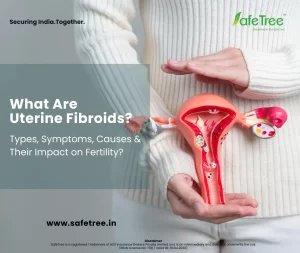
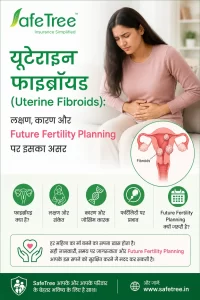
आजकल महिलाओं में रिप्रोडक्टिव हेल्थ (Reproductive Health) से जुड़ी समस्याएं तेजी से बढ़ रही हैं। इन्हीं में से एक बेहद आम लेकिन गंभीर स्थिति है यूटेराइन फाइब्रॉयड (Uterine Fibroids), जिसे आम भाषा में गर्भाशय की गांठ या रसौली भी कहा जाता है।
अक्सर महिलाओं को इसके बारे में शुरुआत में पता ही नहीं चलता। उन्हें इस स्थिति का अहसास तब होता है, जब वे रोजमर्रा की जिंदगी में नीचे दिए गए लक्षणों को महसूस करने लगती हैं:
- Heavy Periods: पीरियड्स के दौरान सामान्य से बहुत ज्यादा ब्लीडिंग होना।
- Pelvic Pain: पेट के निचले हिस्से में लगातार भारीपन या तेज दर्द रहना।
- Pregnancy Planning में दिक्कत: शादी के बाद कंसीव करने या गर्भधारण करने में अचानक कठिनाई आना।
राहत की बात: मेडिकल भाषा में कहें तो हर फाइब्रॉयड कैंसरकारी नहीं होता है, इसलिए इससे घबराने की जरूरत नहीं है। लेकिन, कुछ मामलों में यह महिलाओं की प्रजनन क्षमता (Fertility) और भविष्य मे माँ बनने की राह(Future Pregnancy Planning) को सीधे तौर पर प्रभावित कर सकता है।
अगर आप भी अपनी फैमिली प्लान करने की सोच रही हैं, तो समय रहते इसके लक्षणों को पहचानना, सही डॉक्टर से सलाह लेना और अपनी प्रजनन क्षमता को सुरक्षित रखना बेहद महत्वपूर्ण हो जाता है। इस ब्लॉग में हम विस्तार से जानेंगे कि यूटेराइन फाइब्रॉयड क्या है, इसके कारण क्या हैं और यह आपकी फर्टिलिटी को कैसे प्रभावित कर सकता है।
यूटेराइन फाइब्रॉयड क्या हैं?
यूटेराइन फाइब्रॉयड गर्भाशय की दीवारों में विकसित होने वाली (बिना कैंसर वाली) गांठें होती हैं। चिकित्सा विज्ञान यानी मेडिकल भाषा में इन्हें Uterine Myomas या Leiomyomas भी कहा जाता है।
आसान शब्दों में कहें तो यह गर्भाशय के मसल्स (मांसपेशियों) से बनी सौम्य (Benign) रसौलियां हैं, जो कैंसर का रूप नहीं लेती हैं।
फाइब्रॉयड का आकार और संख्या
फाइब्रॉयड हर महिला में एक जैसे नहीं होते। इनमें काफी भिन्नता हो सकती है:
- साइज: इनका आकार एक छोटे से बीज जितना छोटा भी हो सकता है और बढ़कर एक बड़े खरबूजे या फुटबॉल जितना बड़ा भी हो सकता है।
- संख्या: यह गर्भाशय में अकेले भी हो सकते हैं और एक साथ कई संख्या में भी विकसित हो सकते हैं।
महत्वपूर्ण बात: कई महिलाओं में फाइब्रॉयड होने के बावजूद कोई भी बाहरी लक्षण दिखाई नहीं देते और वे सामान्य जीवन जीती हैं। लेकिन, जब इनका आकार बढ़ता है या इनकी पोजीशन बदलती है, तो ये आपकी दैनिक जीवन और Reproductive Health (प्रजनन स्वास्थ्य) को गंभीर रूप से प्रभावित कर सकते हैं।
गर्भाशय (Uterus) में फाइब्रॉयड किस जगह पर विकसित हो रहा है, इसके आधार पर इन्हें मुख्य रूप से चार प्रकारों में बांटा गया है। आपकी अल्ट्रासाउंड रिपोर्ट को समझने में यह वर्गीकरण बहुत मददगार होता है:
1. इंट्राम्यूरल फाइब्रॉयड (Intramural Fibroids)
- स्थिति: ये फाइब्रॉयड गर्भाशय की मस्कुलर वॉल (या मांसपेशियों की दीवार) के बीच में बनते हैं।
- असर: यह सबसे कॉमन (आम) प्रकार है। जैसे-जैसे इनका आकार बढ़ता है, ये गर्भाशय को स्ट्रेच (फैला) कर सकते हैं, जिससे हैवी पीरियड्स और पेट में भारीपन महसूस होता है।
2. सबम्यूकोसल फाइब्रॉयड (Submucosal Fibroids)
- स्थिति: ये गर्भाशय की अंदरूनी परत यानी कैविटी (Uterine Cavity की Lining) के ठीक नीचे विकसित होते हैं।
- असर: हालांकि ये कम मामलों में होते हैं, लेकिन फर्टिलिटी के लिहाज से ये सबसे संवेदनशील माने जाते हैं। ये Heavy Periods, Prolonged Bleeding (लंबे समय तक ब्लीडिंग) और Fertility/Pregnancy Planning में सबसे ज्यादा बाधा उत्पन्न करते हैं।
3. सबसरोसल फाइब्रॉयड (Subserosal Fibroids)
- स्थिति: ये गर्भाशय की बाहरी सतह (Outer Wall) पर बाहर की तरफ विकसित होते हैं।
- असर: क्योंकि ये बाहर की तरफ बढ़ते हैं, इसलिए ये पीरियड्स को ज्यादा प्रभावित नहीं करते। लेकिन आकार बड़ा होने पर ये आसपास के अंगों जैसे ब्लैडर (Urinary Bladder) पर दबाव बनाते हैं, जिससे बार-बार यूरिन आना या पीठ दर्द जैसी समस्याएं हो सकती हैं।
4. पेडुंक्युलेटेड फाइब्रॉयड (Pedunculated Fibroids)
- स्थिति: जब सबसरोसल या सबम्यूकोसल फाइब्रॉयड एक पतली डंठल के सहारे गर्भाशय से जुड़कर बढ़ते हैं, तो इन्हें पेडुंक्युलेटेड फाइब्रॉयड कहा जाता है।
- असर: कभी-कभी इस डंठल के मुड़ जाने के कारण निचले पेट में अचानक और बहुत तेज दर्द हो सकता है।
यूटेराइन फाइब्रॉयड के सामान्य लक्षण
यूटेराइन फाइब्रॉयड के लक्षण हर महिला में एक जैसे नहीं होते। यह इस बात पर निर्भर करता है कि फाइब्रॉयड का आकार, संख्या और गर्भाशय में उसकी जगह क्या है। कई बार लक्षण इतने सामान्य होते हैं कि महिलाएं इन्हें पीरियड्स की आम समस्या समझकर छोड़ देती हैं।
यदि आपको नीचे दिए गए लक्षणों में से कुछ भी महसूस हो रहा है, तो आपको सचेत हो जाना चाहिए:
1. पीरियड्स से जुड़े लक्षण
- अत्यधिक ब्लीडिंग: पीरियड्स के दौरान बहुत ज्यादा खून आना, बड़े ब्लड क्लॉट्स (खून के थक्के) निकलना और बार-बार पैड बदलने की नौबत आना।
- Prolonged Periods: पीरियड्स का सामान्य (3-5 दिन) से ज्यादा खिंच जाना, यानी 7 दिनों से अधिक समय तक ब्लीडिंग या स्पॉटिंग होना।
- खून की कमी: लगातार हैवी पीरियड्स की वजह से शरीर में हीमोग्लोबिन कम हो जाता है, जिससे हर वक्त कमजोरी, थकान और चक्कर आने की समस्या होने लगती है।
2. पेट और पेड़ू में दबाव (Pelvic Pressure and Pain)
- Pelvic Pain: पेट के निचले हिस्से में लगातार मीठा-मीठा दर्द या भारीपन महसूस होना।
- पेट का बढ़ना: बड़े फाइब्रॉयड के कारण निचला पेट सूजा हुआ या बढ़ा हुआ दिखाई देता है, जैसे कि प्रेगनेंसी का शुरुआती महीना हो।
- पीठ और पैरों में दर्द: जब फाइब्रॉयड रीढ़ की हड्डी की नसों पर दबाव बनाता है, तो पीठ के निचले हिस्से (Lower Back Pain) और पैरों में लगातार दर्द रह सकता है।
3. यूरिन और डाइजेशन से जुड़ी समस्याएं
- बार-बार यूरिन आना: जब फाइब्रॉयड का आकार बढ़कर यूरिनरी ब्लैडर (मूत्रशय) को दबाता है, तो महिला को बार-बार टॉयलेट जाना पड़ता है और रात में नींद बार-बार खुलती है।
- कब्ज: मलाशय (Rectum) पर दबाव पड़ने के कारण पेट साफ होने में दिक्कत आती है और कब्ज की शिकायत रहने लगती है।
4. पर्सनल लाइफ पर असर
- Painful Intercourse (Dyspareunia): फाइब्रॉयड की पोजीशन के कारण संबंध बनाने (Intercourse) के दौरान महिलाओं को काफी दर्द या असहजता (Discomfort) महसूस हो सकती है।
एसिम्पटोमैटिक फाइब्रॉयड (Asymptomatic Fibroids): यह जानना भी बेहद जरूरी है कि कुछ महिलाओं में फाइब्रॉयड होने के बावजूद कोई भी लक्षण दिखाई नहीं देते। उन्हें इसका पता तब चलता है जब वे किसी अन्य वजह से या रूटीन चेकअप के लिए पेल्विक अल्ट्रासाउंड (Pelvic Ultrasound) कराती हैं।
यूटेराइन फाइब्रॉयड होने के संभावित कारण
चिकित्सा विज्ञान में यूटेराइन फाइब्रॉयड होने का सटीक कारण अभी भी पूरी तरह स्पष्ट नहीं है। हालांकि, शोध और डॉक्टरों के अनुसार, कुछ ऐसे प्रमुख फैक्टर्स हैं जो गर्भाशय में इन गांठों के विकसित होने और उनके बढ़ने के जोखिम को काफी हद तक बढ़ा देते हैं|
1. हार्मोनल बदलाव
हमारे शरीर के दो मुख्य हार्मोंस एस्ट्रोजन (Estrogen) और प्रोजेस्टेरोन (Progesterone) गर्भाशय की परत को हर महीने पीरियड्स के लिए तैयार करते हैं। फाइब्रॉयड की गांठों में सामान्य मांसपेशियों की तुलना में इन हार्मोंस के प्रति अधिक संवेदनशीलता होती है। यही कारण है कि जब शरीर में इन हार्मोंस का लेवल बढ़ता है, तो फाइब्रॉयड का आकार भी तेजी से बढ़ने लगता है।
2. जेनेटिक्स और फैमिली हिस्ट्री
यदि आपके परिवार में मां, बहन या नानी-दादी को कभी फाइब्रॉयड या रसौली की समस्या रही है, तो आपमें भी इसके विकसित होने की संभावना (Risk) काफी बढ़ जाती है। कुछ विशेष जींस (Genes) फाइब्रॉयड के विकास को बढ़ावा दे सकते हैं।
3. मोटापा और अनहेल्दी लाइफस्टाइल
अधिक वजन या मोटापा (Obesity) फाइब्रॉयड के जोखिम को दोगुना कर सकता है। दरअसल, शरीर में मौजूद फैट सेल्स एस्ट्रोजन हार्मोन का अधिक उत्पादन करते हैं, जो फाइब्रॉयड को बढ़ाने के लिए “ईंधन” का काम करता है। इसके अलावा, अत्यधिक जंक फूड और रेड मीट का सेवन भी इसे प्रभावित करता है।
4. लेट प्रेगनेंसी प्लानिंग (Delayed Pregnancy)
जो महिलाएं 30 या 35 वर्ष की उम्र के बाद पहली प्रेगनेंसी प्लान करती हैं, उनमें फाइब्रॉयड होने की संभावना थोड़ी अधिक देखी गई है। प्रेगनेंसी के दौरान मिलने वाले हार्मोनल ब्रेक गर्भाशय को सुरक्षित रखने में मदद करते हैं।
5. अत्यधिक तनाव और फिजिकल इनएक्टिविटी
- लगातार तनाव: बहुत अधिक तनाव लेने से शरीर में कोर्टिसोल हार्मोन बढ़ता है, जो सीधे तौर पर हमारे रिप्रोडक्टिव हार्मोंस को बिगाड़ देता है।
- फिजिकल इनएक्टिव (Physical Inactivity): व्यायाम या शारीरिक गतिविधि न करने से ब्लड सर्कुलेशन धीमा होता है और टॉक्सिन्स जमा होने लगते हैं, जो रिप्रोडक्टिव हेल्थ पर बुरा असर डालते हैं।
डॉक्टर की सलाह: लाइफस्टाइल, स्ट्रेस और हार्मोनल चेंजेस सीधे तौर पर हमारी प्रजनन स्वास्थ्य से जुड़े हुए हैं। चूंकि फाइब्रॉयड को पूरी तरह रोकना हमारे हाथ में नहीं है, इसलिए समय-समय पर रूटीन गायनेकोलॉजिकल चेकअप (Gynecological Checkup) और हेल्थ अवेयरनेस ही इसके प्रभाव से बचने का सबसे सही तरीका है।
क्या यूटेराइन फाइब्रॉयड फर्टिलिटी को प्रभावित कर सकते हैं?
अधिकांश महिलाएं फाइब्रॉयड होने के बावजूद पूरी तरह से एक सामान्य और स्वस्थ गर्भावस्था (Healthy Pregnancy) का अनुभव करती हैं। हालांकि, फाइब्रॉयड का आकार और विशेष रूप से गर्भाशय में उसकी स्थिति यह तय करती है कि वह आपकी Pregnancy Planning में रुकावट बनेगा या नहीं।
चिकित्सा विज्ञान के अनुसार, फाइब्रॉयड निम्नलिखित तरीकों से फर्टिलिटी और कंसीव करने की प्रक्रिया को प्रभावित कर सकते हैं:
1. एग इम्प्लांटेशन में बाधा (Impacting Egg Implantation)
विशेष रूप से सबम्यूकोसल फाइब्रॉयड (Submucosal Fibroids), जो गर्भाशय की अंदरूनी परत में होते हैं, वे गर्भाशय के आकार को बदल देते हैं। इसके कारण फर्टिलाइज्ड एग (भ्रूण) को गर्भाशय की दीवार से चिपकने के लिए सही जगह नहीं मिल पाती, जिससे कंसीव करने में दिक्कत आती है।
2. फैलोपियन ट्यूब पर दबाव (Pressure on Fallopian Tubes)
यदि फाइब्रॉयड का आकार बड़ा है और वह उस जगह के पास विकसित हो रहा है जहां फैलोपियन ट्यूब (Fallopian Tubes) गर्भाशय से जुड़ती हैं, तो यह ट्यूब के रास्ते को ब्लॉक या संकुचित कर सकता है। इसके कारण पुरुष स्पर्म (Sperm) महिला के एग तक नहीं पहुंच पाता, जिससे गर्भधारण में देरी होती है।
3. गर्भाशय में ब्लड फ्लो का प्रभावित होना
फाइब्रॉयड खुद को बड़ा करने के लिए गर्भाशय की ओर आने वाले ब्लड फ्लो (रक्त प्रवाह) का एक बड़ा हिस्सा खुद सोख लेते हैं। इसके कारण गर्भाशय की अंदरूनी परत तक पर्याप्त खून और पोषण नहीं पहुंच पाता, जो भ्रूण के विकास के लिए बेहद जरूरी होता है।
4. गर्भपात का जोखिम (Risk of Miscarriage)
कुछ मामलों में, यदि महिला कंसीव कर भी लेती है, तो गर्भावस्था के दौरान फाइब्रॉयड का आकार प्रेगनेंसी हार्मोन्स के कारण बढ़ने लगता है। इससे बच्चे के बढ़ने के लिए गर्भाशय में जगह कम हो सकती है, जिससे शुरुआती महीनों में गर्भपात या समय से पहले डिलीवरी का खतरा बढ़ जाता है।
5. IVF Planning पर असर
जो महिलाएं आईवीएफ (IVF – In Vitro Fertilization) की मदद ले रही हैं, उनके लिए भी फाइब्रॉयड चुनौतियां खड़ी कर सकता है। बड़े फाइब्रॉयड भ्रूण ट्रांसफर (Embryo Transfer) की सफलता दर को कम कर सकते हैं, इसलिए आईवीएफ साइकिल शुरू करने से पहले डॉक्टर अक्सर इन्हें हटाने (Myomectomy) की सलाह देते हैं।
एक सकारात्मक दृष्टिकोण: फाइब्रॉयड होने का मतलब यह बिल्कुल नहीं है कि आप कभी मां नहीं बन सकतीं। आज एडवांस मेडिकल साइंस और लैप्रोस्कोपिक सर्जरी (Laparoscopic Surgery) की मदद से फाइब्रॉयड का इलाज बेहद आसान और सुरक्षित हो चुका है। सही समय पर रिप्रोडक्टिव हेल्थ अवेयरनेस और डॉक्टर की देखरेख में की गई प्लानिंग से आप अपने फैमिली गोल्स को आसानी से पूरा कर सकती हैं।
डॉक्टर से सलाह कब लेनी चाहिए?
अक्सर महिलाएं दर्द या हैवी पीरियड्स को सामान्य समझकर सहन करती रहती हैं, जो आगे चलकर फर्टिलिटी के लिए बड़ी समस्या बन सकता है। यदि आपको नीचे दी गई समस्याओं में से कोई भी समस्या लगातार बनी हुई है, तो तुरंत एक अच्छे स्त्री रोग विशेषज्ञ से सलाह लें:
- अत्यधिक ब्लीडिंग: अगर आपको हर 1-2 घंटे में पैड बदलना पड़ रहा हो या बड़े ब्लड क्लॉट्स आ रहे हों।
- लगातार Pelvic Pain: पेट के निचले हिस्से या पीठ में ऐसा दर्द, जो दवाओं के बाद भी ठीक न हो रहा हो।
- Conception में कठिनाई: यदि आप बिना किसी प्रोटेक्शन के 6 महीने या 1 साल से लगातार कंसीव करने की कोशिश कर रही हैं, लेकिन सफलता नहीं मिल रही।
- पीरियड पैटर्न में अचानक बदलाव: पीरियड्स का अचानक अनियमित हो जाना या दो पीरियड्स के बीच में स्पॉटिंग होना।
- पेट में लगातार सूजन: पेट के निचले हिस्से में हमेशा दबाव, भारीपन या बिना वजह सूजन महसूस होना।
प्रेगनेंसी प्लानिंग से पहले किन बातों का ध्यान रखें?
यदि आपका फाइब्रॉयड डायग्नोसिस हो चुका है और आप जल्द ही गर्भधारण (Pregnancy) करने की सोच रही हैं, तो एक सुरक्षित और स्वस्थ गर्भावस्था के लिए इन बातों को अपनी चेकलिस्ट में जरूर शामिल करें:
- प्री-कॉन्सेप्शन चेकअप (Regular Health Checkups): प्रेगनेंसी प्लान करने से पहले ही डॉक्टर से मिलें और गर्भाशय की स्थिति जानने के लिए एक पेल्विक अल्ट्रासाउंड जरूर कराएं।
- लक्षणों को न छुपाएं: अपने डॉक्टर को अपने पीरियड्स, दर्द या किसी भी छोटे-से-छोटे लक्षण के बारे में खुलकर बताएं।
- हेल्दी लाइफस्टाइल अपनाएं: अपने आहार में हरी पत्तेदार सब्जियां, फल और साबुत अनाज शामिल करें। जंक फूड और अत्यधिक कैफीन (चाय-कॉफी) से दूरी बनाएं।
- एक्टिव रहें और वजन कंट्रोल करें: रोजाना कम से कम 30 मिनट वॉक, योग या हल्की एक्सरसाइज करें ताकि शरीर में ब्लड सर्कुलेशन और हार्मोनल बैलेंस सही रहे।
- स्ट्रेस मैनेजमेंट: मानसिक तनाव फर्टिलिटी हार्मोन्स को बिगाड़ता है। ध्यान (Meditation), गहरी सांस लेने के अभ्यास या अपनी हॉबी के जरिए खुद को तनावमुक्त रखें।
Future Fertility Planning क्यों जरूरी है?
आज की आधुनिक जीवनशैली, करियर को प्राथमिकता देने के कारण देर से पैरेंटहुड (Delayed Parenthood) की योजना और फाइब्रॉयड जैसी बढ़ती स्वास्थ्य समस्याओं के बीच Future Fertility Planning आज के समय की सबसे बड़ी जरूरत बन चुकी है।
अपनी फर्टिलिटी को समय रहते प्लान करना क्यों जरूरी है, इसके मुख्य कारण निम्नलिखित हैं:
- उम्र के साथ घटती फर्टिलिटी: महिलाओं में उम्र बढ़ने के साथ अंडों की क्वालिटी और मात्रा कम होने लगती है, साथ ही फाइब्रॉयड जैसी गांठों का जोखिम भी बढ़ता है।
- मेडिकल और फाइनेंशियल अवेयरनेस: फर्टिलिटी ट्रीटमेंट्स या ट्रीटमेंट के बाद प्रेगनेंसी मैनेजमेंट के लिए कपल्स का मानसिक और वित्तीय रूप से तैयार होना बेहद जरूरी है।
- सुरक्षित भविष्य: सही समय पर लिए गए फैसले भविष्य में आने वाली अनिश्चितताओं को कम करते हैं और आपके माता-पिता बनने के सपने को अधिक सुरक्षित और तनावमुक्त बनाते हैं।
निष्कर्ष
यूटेराइन फाइब्रॉयड एक बेहद आम स्थिति है, जिससे डरने की बिल्कुल जरूरत नहीं है। सही समय पर सही जानकारी, लाइफस्टाइल में बदलाव और Safetree जैसे माध्यमों से मिलने वाली सही गाइडेंस के साथ आप अपनी रिप्रोडक्टिव हेल्थ को पूरी तरह सुरक्षित रख सकती हैं और एक स्वस्थ मातृत्व का आनंद ले सकती हैं।