
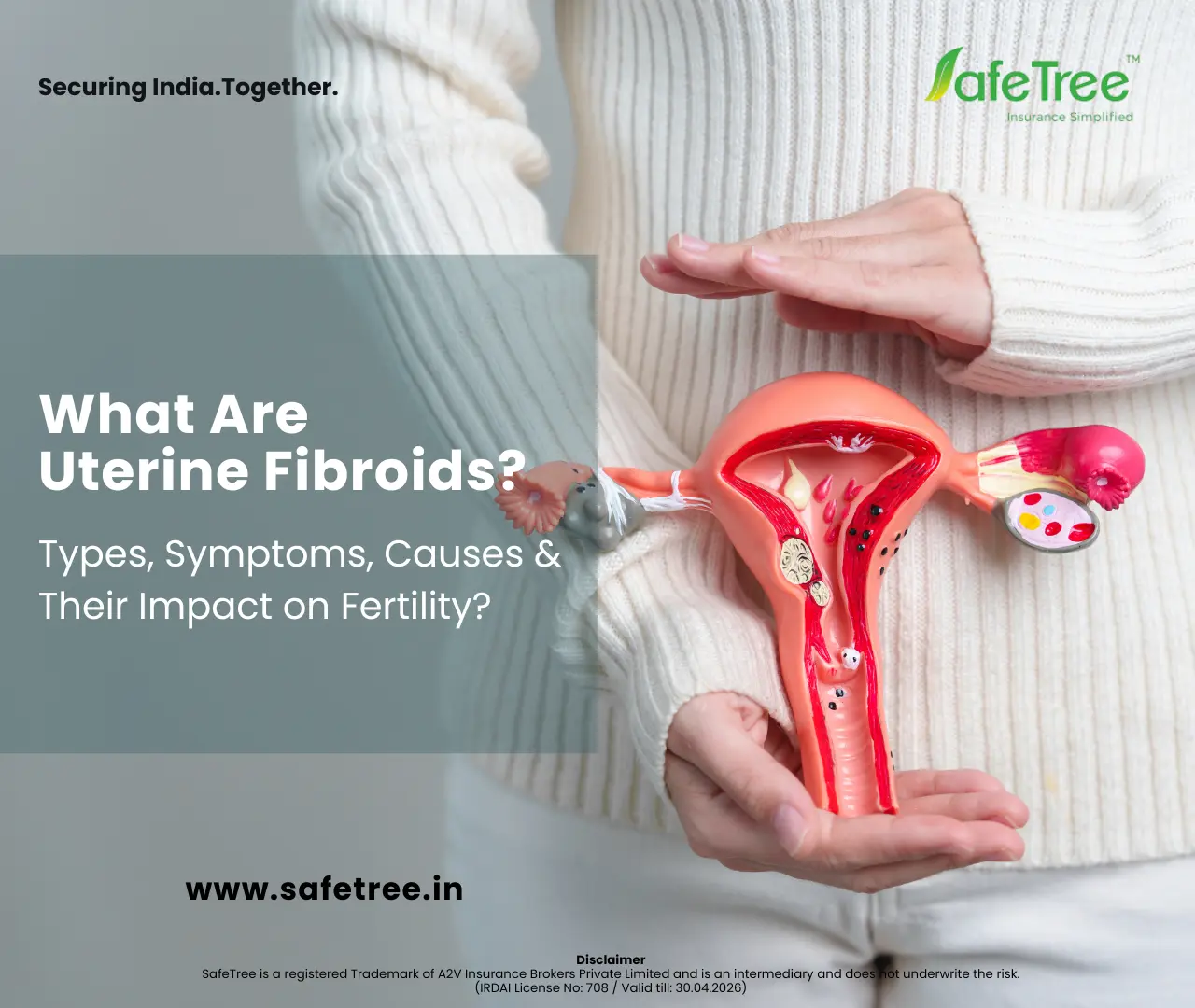
What Are Uterine Fibroids? Types, Symptoms, Causes & Their Impact on Fertility Planning
Heavy periods, bloating or a feeling of pressure in the pelvis are common for many women, and they simply take them for granted. But sometimes, these symptoms may be linked to something more common than people realise. Many women find out about fibroids while they are pregnant. The first time hearing the word “fibroids” can be stressful and worrisome, especially for women who want to be pregnant someday.
The positive side is that fibroids are very common, and many women are able to live healthy and safe lives as well as get pregnant when the right medical help and planning of future fertility are in place.
What are uterine fibroids?
Uterine fibroids are non-cancerous growths in or on the uterus. They are made up of fibre and muscle and may be small or big. Fibroids may be small, asymptomatic, or become sufficiently large to cause pain or health issues. Fibroids can grow on the interior of the uterus as a single growth or multiple growths. Unfortunately, most women do not find out about fibroids until something like a scan or medical exam shows them.
Fibroids are not typically a huge threat, but they can affect a woman’s quality of life by causing pain and affecting her menstrual cycle, and they can impact a woman’s fertility as well. For this reason, the symptoms of fibroids should not be ignored and thus should be learned of in advance.
Common Uterine Fibroid Symptoms
Not every woman experiences symptoms, but when they do appear, they can range from mild to severe depending on the size and location of the fibroids.
Some of the most common uterine fibroid symptoms include:
- Heavy menstrual bleeding
- Long or painful periods
- Pressure or pain in the pelvic area
- Frequent urination
- Gassiness or abdominal distention (bloating)
- Constipation
- Pain during intercourse
- Lower back pain
- Feeling tired due to heavy blood loss
Pregnancy complications can also occur repeatedly, and for some women, difficulty conceiving may also occur if the fibroids have an impact on the shape of the uterus.
Many women have these symptoms for years and don’t realise that they are actually abnormal. All of these symptoms of chronic pain, excessive bleeding and frequent menstrual cycle changes should be considered and treated.
Types of Uterine Fibroids
Here are some of the types of uterine fibroids:
1. Intramural Fibroids
They are the most common fibroids and develop in the muscular wall of the uterus. These can cause heavy bleeding, pain and pressure in the pelvis, as well as an enlarged uterus.
2. Submucosal Fibroids
These fibroids develop only under the lining of the uterus. Small fibroids found in the submucosal area can cause heavy periods and fertility issues, since they can disrupt the process of pregnancy implantation.
3. Subserosal Fibroids
These fibroids develop either inside or outside of the uterus. In some instances, they may even compress the organs in the area, leading to frequent urination, which may cause constipation.
4. Pedunculated Fibroids
These fibroids will have a thin stalk that either remains inside or outside of the uterus. If the stalk twists severely, sharp pain can be experienced.
What causes uterine fibroids?
Many women ask themselves what caused their uterine fibroids. The actual answer is still unknown, but there are theories out there from a lot of doctors and researchers.
1. Hormonal Changes
Fibroids are also regulated by the hormones estrogen and progesterone and tend to start from the early reproductive years when the body produces these hormones.
2. Family History
It may also be that, if your mother or sister had fibroids, your risk of developing them increases as well.
3. Age
Women aged between 30 and 50 years are at a higher risk of having fibroids.
4. Lifestyle Factors
In some women, other factors like poor nutrition, obesity, and stress may also be considered to be a risk, and in some, lack of adequate exercise could be a risk.
5. Hormonal changes and pregnancy
Hormone levels are dramatically altered during pregnancy, and in some cases, the fibroids get bigger during the period of pregnancy.
Note: There is no particular method that exists for how to prevent fibroids; a good health check-up and a good lifestyle may help in reducing the complications.
Side effects of Uterine Fibroids
Some side effects of uterine fibroids are:
- Pain in the pelvic area
- Having heavy periods
- Iron deficiency, anaemia
- Lack of energy
- Acute pain and continuous pain in the pelvic area
- Trouble sleeping
- Difficulty with usual activities
- Stress and frustration
Fibroids that are left untreated may also lead to pregnancy complications, like miscarriage, premature delivery or complications in labour and delivery. Women who have had heavy periods for some time will experience lower levels of iron due to heavy bleeding and, consequently, dizziness and low energy.
Why is future fertility planning necessary when you have uterine fibroids?
While not all uterine fibroids interfere with fertility, in women experiencing pregnancy, it may happen depending on the size and location of the fibroids. Doctors can determine, by evaluating the condition of fertility at an early stage, if the fibroids will make a pregnancy impossible or interfere with the chance of becoming pregnant. With medical assistance, many women can become pregnant at this late stage, even naturally.
This is why a future fertility plan becomes important for women diagnosed with fibroids, especially if they are planning pregnancy later in life.
Conclusion
In conclusion, fibroids are very common, yet many women continue to experience these symptoms, unaware of the cause, which is uterine fibroids. Fibroids can lead to heavy periods, pelvic pain, problems with becoming pregnant, or other problems that affect life.
Thankfully, early diagnosis, frequent checking and prompt medical intervention can control symptoms. An awareness of the symptoms of uterine fibroids and the expected problems with the reproductive system could assist women in making informed choices in their future. SafeTree is also helping couples become more informed and active in their fertility awareness, reproductive health planning, and future family planning.
FAQs
1. Can uterine fibroids cause back pain?
Yes, big fibroids may compress close to nerves and muscles, and this can result in pain in the lower back or discomfort in the pelvic region.
2. Can uterine fibroids cause irregular periods?
Yes, in some women, fibroids can cause heavy bleeding, long periods, spotting between periods or irregular periods.
3. Are uterine fibroids painful?
They can be. Depending on where the fibroids are and their size, some females may feel slight soreness, and others may feel serious pain associated with pressure in their pelvis or painful menstruation.
4. Can I get pregnant if I have uterine fibroids?
Yes, you can conceive a baby naturally with fibroids. But some fibroids can impact fertility; therefore, early medical advice and fertility planning are significant.
Disclaimer:
This blog is for general informational and educational purposes only. The information provided here should not be considered a substitute for professional medical advice, diagnosis, or treatment. Before making any decisions related to health conditions, symptoms, or treatments, readers are advised to consult a qualified healthcare professional.
The information related to insurance is provided for general guidance only. Before choosing any insurance policy, readers should consult our insurance experts to receive detailed advice based on their individual needs and requirements.
Published by: A2V Insurance Brokers Pvt. Ltd. (SafeTree)



Share this post:
Facebook Twitter LinkedIn WhatsApp