Dr. Shikha Jain, Author at Safetree - Page 4 of 4

We will contact you as soon as possible, please fill in your details!

Note: We will only use your details to contact you regarding your insurance query.

Blogs & Resources

5 months ago · by · 0 comments

एंडोमेट्रियोसिस क्या है? लक्षण, कारण और फर्टिलिटी प्लानिंग पर इसका प्रभाव

महिलाओं के स्वास्थ्य से जुड़ी कई ऐसी स्थितियां हैं जिनके बारे में खुलकर बात नहीं की जाती, और एंडोमेट्रियोसिस (Endometriosis) उनमें से एक है। अक्सर पीरियड्स के दौरान होने वाले गंभीर दर्द को ‘सामान्य’ मानकर नजरअंदाज कर दिया जाता है, जबकि यह इस बीमारी का संकेत हो सकता है। दुनिया भर में लाखों महिलाएं इस स्थिति से जूझ रही हैं, जो उनके जीवन की गुणवत्ता और माँ बनने के सपने को प्रभावित कर सकती है।

एंडोमेट्रियोसिस क्या है? (Endometriosis kya hai)

सामान्य स्थिति में, गर्भाशय के अंदर की परत को ‘एंडोमेट्रियम’ कहा जाता है। एंडोमेट्रियोसिस एक ऐसी स्थिति है जिसमें इस परत जैसी कोशिकाएं गर्भाशय के बाहर बढ़ने लगती हैं। ये कोशिकाएं आमतौर पर अंडाशय, फैलोपियन ट्यूब और पेल्विस के ऊतकों पर पाई जाती हैं।

हैरानी की बात यह है कि गर्भाशय के बाहर होने के बावजूद, ये ऊतक पीरियड्स के चक्र के दौरान सामान्य एंडोमेट्रियम की तरह ही व्यवहार करते हैं ये हर महीने गाढ़े होते हैं और टूटकर खून बहने लगता है। लेकिन चूंकि यह खून शरीर से बाहर निकलने का रास्ता नहीं पाता, इसलिए यह आसपास के अंगों में जलन, सूजन और घाव पैदा कर देता है।

एंडोमेट्रियोसिस के मुख्य लक्षण

इसके लक्षण हर महिला में अलग हो सकते हैं, लेकिन कुछ सामान्य संकेत इस प्रकार हैं:

  • अत्यधिक दर्दनाक पीरियड्स: पेल्विक दर्द और ऐंठन जो पीरियड्स से पहले शुरू हो सकती है और कई दिनों तक रह सकती है।
  • संबंध बनाने के दौरान दर्द: संभोग के दौरान या बाद में दर्द होना एक सामान्य लक्षण है।
  • मल-मूत्र त्याग के समय दर्द: विशेष रूप से मासिक धर्म के दौरान।
  • अत्यधिक रक्तस्राव: पीरियड्स के दौरान भारी ब्लीडिंग या दो पीरियड्स के बीच में स्पॉटिंग होना।
  • अन्य लक्षण: थकान, दस्त, कब्ज, या पीरियड्स के दौरान जी मिचलाना।

एंडोमेट्रियोसिस होने के कारण

चिकित्सा विज्ञान अभी भी इसके सटीक कारण की तलाश कर रहा है, लेकिन कुछ संभावित कारण माने जाते हैं:

  1. प्रतिगामी मासिक धर्म: जब मासिक धर्म का खून बाहर निकलने के बजाय फैलोपियन ट्यूब के जरिए पेल्विक कैविटी में वापस चला जाता है।
  2. हार्मोनल बदलाव: एस्ट्रोजेन हार्मोन इन कोशिकाओं के विकास को बढ़ावा दे सकता है।
  3. सर्जिकल स्कार इम्प्लांटेशन: सी-सेक्शन या हिस्टेरेक्टॉमी जैसी सर्जरी के बाद कोशिकाएं घाव से चिपक सकती हैं।
  4. इम्यून सिस्टम की समस्या: जब शरीर का रक्षा तंत्र बाहरी ऊतकों को पहचान कर नष्ट करने में विफल रहता है।

किन महिलाओं में एंडोमेट्रियोसिस का जोखिम ज्यादा होता है?

कुछ कारक इस स्थिति की संभावना बढ़ा सकते हैं:

  • अगर परिवार में मां या बहन को यह समस्या रही हो (जेनेटिक्स)।
  • कम उम्र में पीरियड्स शुरू होना।
  • मेनोपॉज (रजोनिवृत्ति) का देर से होना।
  • शॉर्ट पीरियड्स साइकिल (27 दिन से कम)।
  • शरीर में एस्ट्रोजेन का उच्च स्तर होना।

एंडोमेट्रियोसिस और फर्टिलिटी का संबंध

एंडोमेट्रियोसिस का सबसे गहरा प्रभाव प्रजनन क्षमता पर पड़ता है। लगभग 30% से 50% एंडोमेट्रियोसिस वाली महिलाओं को गर्भधारण करने में कठिनाई होती है।

  • यह फैलोपियन ट्यूब को ब्लॉक कर सकता है, जिससे अंडा और स्पर्म मिल नहीं पाते।
  • यह अंडों की गुणवत्ता को प्रभावित कर सकता है।
  • यह पेल्विक क्षेत्र में सूजन पैदा करता है, जो निषेचन (fertilization) की प्रक्रिया में बाधा डालता है।

फ्यूचर फर्टिलिटी प्लानिंग (Future Fertility Planning) क्यों जरूरी है?

एंडोमेट्रियोसिस का सबसे गहरा प्रभाव प्रजनन क्षमता (Fertility) पर पड़ता है। लगभग 30% से 50% एंडोमेट्रियोसिस वाली महिलाओं को गर्भधारण करने में कठिनाई होती है। यदि आप इस स्थिति से पीड़ित हैं और भविष्य में माँ बनने का सपना देखती हैं, तो समय रहते ‘फर्टिलिटी प्लानिंग’ करना आपके लिए अनिवार्य हो जाता है:

  • जल्द निदान (Early Diagnosis): एंडोमेट्रियोसिस का जितनी जल्दी पता चलेगा, पेल्विक अंगों और अंडाशय को उतना ही कम नुकसान होगा। समय पर हस्तक्षेप प्रजनन अंगों की कार्यक्षमता को बनाए रखने में मदद करता है।
  • एग फ्रीजिंग (Egg Freezing): यदि आप अभी माँ बनने के लिए तैयार नहीं हैं, तो भविष्य के लिए अपने अंडों को सुरक्षित रखना एक बेहतरीन विकल्प है। एंडोमेट्रियोसिस समय के साथ अंडों की रिजर्व (Ovarian Reserve) को कम कर सकता है, इसलिए एग फ्रीजिंग एक सुरक्षा कवच की तरह काम करता है।
  • उपचार के विकल्प: लेप्रोस्कोपिक सर्जरी के जरिए एंडोमेट्रियोटिक घावों को हटाना प्रजनन क्षमता को काफी हद तक बेहतर बना सकता है।
  • IVF की मदद: गंभीर मामलों में, जहाँ प्राकृतिक गर्भधारण कठिन हो जाता है, वहाँ आईवीएफ (In-Vitro Fertilization) गर्भधारण का एक सफल और सुरक्षित मार्ग प्रदान करता है।

SafeTree के साथ सुरक्षित करें अपना भविष्य

एंडोमेट्रियोसिस जैसी स्थितियों की जटिलता और भविष्य की चिंताओं को समझते हुए, हमने विशेष रूप से महिलाओं के लिए एक अनूठा फ्यूचर फर्टिलिटी प्लान (Future Fertility Planning) लॉन्च किया है।

यह प्लान विशेष रूप से उन महिलाओं की मदद के लिए डिज़ाइन किया गया है जो एंडोमेट्रियोसिस से जूझ रही हैं। यह फर्टिलिटी प्लान आपको न केवल वित्तीय सुरक्षा प्रदान करता है, बल्कि आपको एग फ्रीजिंग और अन्य उन्नत प्रजनन उपचारों (जैसे IVF) के लिए आवश्यक संसाधन और विशेषज्ञ मार्गदर्शन भी सुनिश्चित करता है। हमारा उद्देश्य यह सुनिश्चित करना है कि एंडोमेट्रियोसिस जैसी बीमारी आपके माँ बनने के सपने के बीच कभी बाधा न बने।

निष्कर्ष

एंडोमेट्रियोसिस एक चुनौतीपूर्ण स्थिति है, लेकिन सही जानकारी और समय पर इलाज के साथ इसे मैनेज किया जा सकता है। दर्द को सहना बहादुरी नहीं है; अगर आपको ऊपर दिए गए कोई भी लक्षण महसूस होते हैं, तो तुरंत किसी विशेषज्ञ डॉक्टर (Gynecologist) से सलाह लें। याद रखें, सही समय पर उठाया गया एक कदम आपके भविष्य और स्वास्थ्य को सुरक्षित रख सकता है।

अधिक्तर पूछे जाने वाले प्रश्न (FAQs)

1. एंडोमेट्रियोसिस का दर्द कब होता है?

इसका दर्द मुख्य रूप से पीरियड्स से पहले और उस दौरान गंभीर ऐंठन के रूप में होता है, लेकिन यह ओव्यूलेशन, शारीरिक संबंध बनाने या मल-मूत्र त्याग के समय भी महसूस हो सकता है। कुछ महिलाओं को यह दर्द पूरे महीने पुराने पेल्विक पेन की तरह बना रहता है।

2. मुझे कैसे पता चलेगा कि मुझे एंडोमेट्रियोसिस है?

यदि आपके पीरियड्स का दर्द सामान्य दवाओं से ठीक नहीं होता या आपको गर्भधारण में समस्या आ रही है, तो यह एंडोमेट्रियोसिस हो सकता है। इसकी सटीक पुष्टि के लिए आपको विशेषज्ञ से परामर्श करना चाहिए, जो अल्ट्रासाउंड, MRI या लेप्रोस्कोपी के जरिए इसकी जांच करते हैं।

3. क्या एंडोमेट्रियोसिस होने पर IVF की जरूरत पड़ सकती है?

हाँ, एंडोमेट्रियोसिस होने पर IVF की आवश्यकता पड़ सकती है, क्योंकि यह बीमारी फैलोपियन ट्यूब को ब्लॉक कर सकती है और अंडों की गुणवत्ता को प्रभावित करती है। जब दवाएं या लेप्रोस्कोपिक सर्जरी सफल नहीं होतीं, तब IVF गर्भधारण के लिए सबसे प्रभावी विकल्प माना जाता है।


Disclaimer:

यह ब्लॉग केवल सामान्य जानकारी और शैक्षिक उद्देश्य के लिए तैयार किया गया है। इसमें दी गई जानकारी किसी भी प्रकार की चिकित्सीय सलाह, निदान या उपचार का विकल्प नहीं है। किसी भी स्वास्थ्य संबंधी समस्या, लक्षण या उपचार से जुड़े निर्णय लेने से पहले कृपया अपने स्वास्थ्य विशेषज्ञ से परामर्श अवश्य करें।

बीमा से संबंधित जानकारी केवल सामान्य मार्गदर्शन के लिए है। किसी भी इंश्योरेंस पॉलिसी के चयन से पहले अपनी आवश्यकताओं के अनुसार विस्तृत सलाह प्राप्त करने हेतु हमारे बीमा विशेषज्ञ से संपर्क करें।
5 months ago · by · 0 comments
what is endometriosis

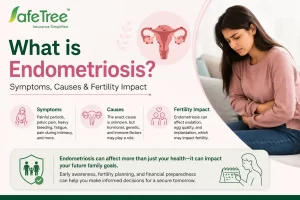
What is Endometriosis? Symptoms, Causes & Fertility Impact

Menstruation can be unbearable for a number of reasons. Mild and severe symptoms such as fatigue, cramping, and bleeding can be overlooked for years at a time. Many women have managed the symptoms on their own but may be unaware that one of many possible reasons behind this could be an even larger issue. In most cases, the underlying issue becomes clear only due to challenges with fertility or if chronic daily pain interferes with normal daily functions.

A tissue structure that resembles the inside lining of the uterus can grow almost anywhere in the body. This includes the abdomen and pelvic cavities. Every month, just like in the uterus, this tissue builds up, then sheds and bleeds. This condition is called “endometriosis”.

Understanding the signs and symptoms of endometriosis and its impact on fertility can help women recognise early warning signs and seek timely medical care.

What is endometriosis?

Endometriosis is when tissue that is similar to the lining of the uterus grows outside of the uterus itself. Other than the uterus, the tissue most often grows near the ovaries, the fallopian tubes, or in the pelvic region. In the presence of these tissue outgrowths, when the woman’s body experiences hormonal changes, inflammation and pain can occur. Over time, this condition can also lead to the development of scar tissue and challenges regarding fertility.

Over time, this can cause:

  • Chronic Pelvic Pain
  • Inflammation
  • Scar tissue formation
  • Adhesions between organs
  • Ovarian cysts, known as endometriomas

Women often face this issue while they’re of childbearing age. The exact reason for this is unknown, but experts hypothesise that a combination of hormones, immunity, and genetics can be attributed to this disease.

Endometriosis Symptoms

Heavy periods might bother one woman a little, yet another finds them hard to get through each month. Pain levels shift widely what feels like a dull ache for some becomes sharp and draining for others. Here are the few symptoms of endometriosis –

1. Painful Periods

Heavy period cramps hit most people at some point. Starting ahead of bleeding, the ache can last for a few days. Pain shows up early, sticking around when it’s least wanted.

2. Chronic Pelvic Pain

Many women feel constant pelvic discomfort even outside their menstrual cycle.

3. Pain During Intercourse

Pain during or after sexual activity is frequently linked with endometriosis.

4. Heavy Menstrual Bleeding

Bleeding might last longer than usual. Sometimes it shows up more intensely than before.

5. Pain When Pooping or Peeing

Pain creeps in for certain women when they go to the toilet, most often around their period.

6. Fatigue and Low Energy

Pulling through each day feels heavier when exhaustion lingers without reason.

7. Digestive Problems

An upset stomach, trouble going to the bathroom, feeling sick, or loose bowels might show up, especially when on your period.

8. Difficulty Getting Pregnant

At times, trouble conceiving shows up before anything else. A small amount of endometriosis might harm the chances of pregnancy.

Endometriosis Causes

One thing scientists still can’t pin down is exactly what triggers endometriosis, yet a few likely explanations have started to emerge. While the full picture stays unclear, certain factors keep showing up in studies looking at why it happens.

1. Retrograde Menstruation

Backward movement of period fluid occurs when it moves through the fallopian tubes into the space around the uterus rather than exiting externally.

2. Genetic Factors

Having a mother or sister with endometriosis might mean a woman is more likely to get it too.

3. Immune System Problems

When immunity weakens, leftover cells similar to the uterine lining might survive where they shouldn’t. Cells that normally vanish stick around if defences lag behind.

4. Hormonal Imbalance

Something about estrogen might help endometriosis grow. The way it acts could support that kind of cell activity.

5. Surgical Scarring

Occasionally, tissue similar to the uterine lining sticks to incision sites following surgeries like C-sections.

6. Transformation of Cells

Now here’s a shift hormones can coax some cells beyond the womb into mimicking endometrial tissue. Even though this might be a cause of endometriosis, no single factor alone completely answers how it starts.

Types of Endometriosis

Most times, physicians sort this issue by spotting where the cells settle. Location shapes how they label each form. Spots matter more than you might think when naming it.

1. Superficial Peritoneal Endometriosis

Most often, it shows up where the pelvic area’s inner layer sits. It targets that delicate tissue more than anywhere else.

2. Ovarian Endometriosis

Cysts known as endometriomas grow in the ovaries due to this type of condition.

3. Deep Infiltrating Endometriosis

Deep inside, this tissue pushes its way into places like the bladder, sometimes reaching the bowel or even the sides of the pelvis.

4. Extrapelvic Endometriosis

On occasion, growths linked to endometriosis show up beyond the pelvis, sometimes reaching the lungs or even the diaphragm. Though uncommon, these patches follow paths less expected.

Why Future Fertility Planning Matters When do you have endometriosis?

When a woman learns she has endometriosis, thinking ahead about having children matters – this illness may slowly impact her ability to get pregnant. The way it changes over months or years means timing can play a big role. Some find their fertility shifts more than expected. Because of that, considering options early often helps later. What happens down the road isn’t always predictable. That’s why looking into family plans soon after diagnosis makes sense.

Opting for a well-designed Future Fertility Plan helps individuals and couples plan for parenthood by combining fertility support with financial protection.

Conclusion

Endometriosis has far greater implications for women beyond the pain that occurs with menstrual periods. The condition is one that has the potential to influence every single day of a patient’s life on an emotional and mental level. It can also affect the quality of life of the patient. Endometriosis can affect the patient’s fertility.

The ability to recognise the signs and symptoms of endometriosis at an early stage, along with appropriate medical treatment and a future fertility plan from Safetree, can greatly improve not only a patient’s mental and physical health but also their future.

FAQs

1. Is endometriosis dangerous?

Most people survive endometriosis just fine, yet pain that lingers for months might show up without warning. Fertility hurdles often follow close behind when care gets delayed too long.

2. Can endometriosis cause infertility?

Absolutely, endometriosis makes it difficult to get pregnant because of swelling in the tissues. Scarring can appear, sometimes trapping fluid where it shouldn’t be. Tubes that carry eggs may become obstructed. The health of the eggs themselves could decline, too.

3. How does endometriosis affect ovulation and egg quality?

When this happens, it might disrupt how eggs are released while causing swelling near the ovaries. That kind of irritation often affects how well an egg develops.


Disclaimer:

This blog is for general informational and educational purposes only. The information provided here should not be considered a substitute for professional medical advice, diagnosis, or treatment. Before making any decisions related to health conditions, symptoms, or treatments, readers are advised to consult a qualified healthcare professional.

The information related to insurance is provided for general guidance only. Before choosing any insurance policy, readers should consult our insurance experts to receive detailed advice based on their individual needs and requirements.


9 months ago · by · 0 comments
IVF maternity insurance

How IVF Maternity Insurance Helps Reduce the Cost of Fertility Treatments?

What is IVF, and why is it so expensive?

IVF (in vitro fertilisation) is a medical process where eggs are retrieved from the ovaries and fertilised by sperm in a specialised laboratory. The resulting embryo is then transferred back into the uterus.

For many couples IVF offers real hope, but it is a high-cost fertility treatment because it requires the following:

Advanced Lab Facilities: Embryos must be kept in highly controlled cleanrooms with 24/7 monitoring.

Highly Trained Specialists: A team including reproductive endocrinologists, embryologists, and anaesthesiologists is required.

Costly Medicines: Hormonal injections used to stimulate ovaries can cost between ₹40,000 and ₹90,000 per cycle alone.

Sophisticated Equipment: The use of high-end incubators and microscopes (especially for ICSI) drives up the fertility treatment cost.

What is IVF maternity insurance?

IVF maternity insurance is a specially designed policy for women who conceive through assisted reproductive techniques (ART). Unlike standard health insurance plans that usually focus on natural pregnancies, this coverage takes into account the specific challenges of an IVF maternity pregnancy. It recognises the need for closer medical supervision and higher risk management, offering financial support from procedures like egg retrieval right through to childbirth.

Why is IVF Maternity Insurance Important in India?

In India, the cost of IVF treatment is a major hurdle. With medical inflation rising, a single IVF cycle can range from ₹1.5 lakh to ₹4.5 lakh.

Financial Risk: Since the success rate is often 30–50% per cycle, many couples require 2 or 3 attempts. Without insurance, this can lead to a debt of over ₹10 lakhs.

High Demand: With over 2.5 lakh IVF cycles conducted annually in India, insurance has become essential to ensure that couples don’t have to stop treatment due to a lack of funds.

How does IVF maternity insurance help reduce fertility treatment costs in India?

This insurance acts as a financial cushion in three ways:

Cashless Treatment: Many plans allow you to undergo expensive procedures at top fertility chains without paying upfront.

Coverage of Add-ons: It can significantly lower the fertility treatment cost by covering diagnostic tests, blood work, and even lab procedures like embryo transfer.

Complication Management: If a procedure like “ovum pickup” leads to a medical complication, the insurance covers the hospitalisation, which could otherwise cost an extra ₹50,000–₹100,000.

What does IVF maternity insurance coverage typically include?

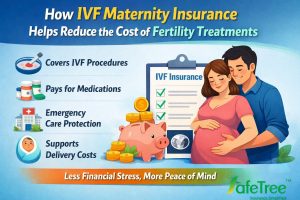
A comprehensive IVF insurance coverage plan usually includes:

Diagnostic Investigations: Blood tests, USGs, and semen analysis.

Clinical Procedures: Ovarian stimulation, egg retrieval (ovum pick-up), and embryo transfer.

Hospitalisation: Room rent, ICU charges, and nursing care.

Maternity Benefits: Coverage for both normal and C-section deliveries.

Newborn Cover: Immediate medical care for the baby for the first 30–90 days.

What’s the difference between IVF insurance & IVF maternity insurance?

It is vital to distinguish these two:

IVF Insurance: Primarily covers the clinical lab procedures and medications required to achieve a pregnancy. It focuses on the “treatment” phase.

IVF Maternity Insurance: A broader plan that covers the treatment plus the 9 months of pregnancy and the actual delivery. It is a complete “conception-to-cradle” solution.

What is the waiting period for IVF maternity insurance?

Most standard maternity insurance plans in India have a waiting period of 24 to 48 months. However, specialised IVF insurance plans are more flexible:

Safetree Parenthood Plans: Often feature shorter waiting periods, such as 7 months for maternity or 12 months for IVF cycles.

Corporate Plans: In some cases, waiting periods are waived entirely if offered through an employer.

Is IVF maternity insurance worth it?

If you’re planning to conceive through IVF, the short answer is yes. With a premium that’s usually less than 10% of the cost of a single IVF cycle, this insurance helps protect you from unexpected situations such as repeated treatment attempts, pregnancy-related complications, or the need for an emergency C-section. Instead of worrying about sudden medical expenses, you can focus on what truly matters: preparing for your baby and your growing family.

Conclusion

The journey to parenthood through IVF is a deeply personal and emotional one, but it shouldn’t have to be a financial burden that drains your life savings. As we’ve explored, IVF maternity insurance is no longer just a “luxury” add-on; in 2026, it has become a vital financial safety net for couples in India.

By choosing the right plan, you aren’t just buying an insurance policy; you are buying peace of mind. It allows you to focus on what truly matters: your health, your emotional well-being, and the excitement of welcoming a new member into your family, without the constant stress of rising fertility treatment costs.

Frequently Asked Questions

Is IVF covered under maternity insurance?

Typically, standard maternity insurance only covers delivery and newborn care; however, specialised fertility-focused maternity plans now include IVF. These plans bundle the clinical procedure (conception) with the subsequent pregnancy and delivery into a single policy.

Which insurance company covers IVF in India?

Leading providers include Safetree (Parenthood Plans), Care Health (Care Classic), Niva Bupa (Aspire), and Star Health (Women Care). Many of these offer either dedicated fertility policies or optional riders that can be added to a base health plan.

What is the waiting period for IVF maternity insurance?

The waiting period usually ranges from 12 to 24 months for specialised retail plans, though some basic policies may require up to 36 months. In contrast, certain corporate group plans may offer coverage with a much shorter or even zero waiting period.

How to get IVF covered by insurance?

To secure coverage, you must specifically purchase a fertility-focused health plan or add an infertility rider to your existing policy. Since most plans have waiting periods, it is essential to buy the insurance at least 1–2 years before you intend to start your treatment.

Is IVF covered by insurance in India?

Yes, but it is primarily covered through specialised niche products rather than standard Mediclaim policies. While coverage is increasing in 2026, most plans have “sub-limits” (caps) ranging from ₹50,000 to ₹1.5 lakh per cycle and may limit the number of covered attempts.


Disclaimer:

This blog is for general informational and educational purposes only. The information related to insurance is provided for general guidance only. Before selecting any insurance policy, readers are advised to consult our insurance experts for detailed advice based on their individual needs.