IVF Archives - Page 2 of 3 - Safetree

We will contact you as soon as possible, please fill in your details!

Note: We will only use your details to contact you regarding your insurance query.

Blogs & Resources

6 months ago · by · 0 comments
reduce ivf cost

IVF காப்பீடு என்றால் என்ன? யாருக்கு தேவை?

IVF (In-Vitro Fertilization) சிகிச்சை இன்று பல தம்பதிகளுக்கு குழந்தை பெற்றெடுக்கும் நம்பிக்கையை வழங்கும் முக்கியமான மருத்துவ முன்னேற்றமாக இருக்கிறது. ஆனால் இந்த சிகிச்சையின் செலவு அதிகமாக இருப்பதால், பலர் IVF காப்பீடு பற்றி அறிந்து கொள்ள முயற்சிக்கிறார்கள். இந்த blog-ல் IVF காப்பீடு என்றால் என்ன, யாருக்கு அது தேவையாகிறது, என்ன கவனிக்க வேண்டும் என்பதைக் பார்ப்போம்.

IVF காப்பீடு என்றால் என்ன?

IVF காப்பீடு என்பது, மருத்துவ காப்பீட்டு திட்டத்தில் கருத்தரிப்பு சிகிச்சைகளுக்கான செலவுகளை (முழுவதும் அல்லது பகுதியளவில்) கவரேஜ் செய்யும் வசதி. இதில் பொதுவாக அடங்குபவை:

  • டாக்டர் ஆலோசனை
  • கருவுறுதல் சோதனைகள்
  • ஹார்மோன் மருந்துகள்
  • IVF செயல்முறை
  • கரு பரிமாற்றம்
  • சில திட்டங்களில் கரு உறைதல்

எல்லா காப்பீட்டுக் கொள்கைகளிலும் IVF காப்பீடு இருக்கும் என்று கருத வேண்டாம். அது ஒரு கூடுதல் திட்டமாகவோ அல்லது சிறப்புத் திட்டமாகவோ இருக்கலாம்.

IVF சிகிச்சை

IVF என்பது, பெண்மணியின் முட்டையை மற்றும் ஆணின் விந்தணுவை உடலுக்கு வெளியே fertilize செய்து, உருவான embryo-வை கருப்பையில் வைக்கும் முறை. இது பல காரணங்களால் இயல்பான முறையில் கர்ப்பம் அடைய முடியாத தம்பதிகளுக்கு உதவுகிறது.

யாருக்கு IVF காப்பீடு தேவை?

கீழ்க்கண்ட நிலைகளில் உள்ளவர்கள் IVF insurance பற்றி சிந்திக்கலாம்:

1. நீண்ட கால infertility

ஒரு வருடத்துக்கும் மேலாக முயற்சி செய்தும் கர்ப்பம் ஏற்படவில்லை என்றால்.

2. வயது காரணம்

பெண்களின் வயது அதிகரிக்கும்போது fertility குறையலாம்.

3. மருத்துவ பிரச்சனைகள்

PCOS, endometriosis, low sperm count போன்றவை.

4. முன்பு IVF முயற்சி செய்தவர்கள்

மறுபடியும் முயற்சி செய்ய வேண்டிய சூழல் இருந்தால், செலவு குறைக்க insurance உதவும்.

IVF காப்பீட்டின் நன்மைகள்

  • அதிக செலவை கட்டுப்படுத்த உதவும்
  • பல சுழற்சிகளுக்கு காப்பீடு செய்வதற்கான சாத்தியம்
  • பரிசோதனைகள் மற்றும் மருந்துகளுக்கும் ஆதரவு கிடைக்கக்கூடும்.
  • மன அழுத்தம் குறையும்

IVF காப்பீடு (IVF Insurance) எடுக்கும்போது கவனிக்க வேண்டிய முக்கிய விஷயங்கள்:

IVF சிகிச்சைக்கான காப்பீட்டைத் தேர்ந்தெடுக்கும்போது, பின்வரும் விவரங்களைச் சரிபார்ப்பது உங்கள் நிதிச் சுமையைக் குறைக்க உதவும்:

  • காத்திருக்கும் காலம் (Waiting Period): பாலிசி எடுத்த உடனேயே IVF பலன்களைப் பெற முடியுமா அல்லது சில ஆண்டுகள் காத்திருக்க வேண்டுமா என்பதைச் சரிபார்க்கவும்.
  • சிகிச்சை சுழற்சிகள் (Number of Cycles): உங்கள் காப்பீடு எத்தனை முறை (Cycles) கரு மாற்றும் சிகிச்சைக்குப் பணம் வழங்கும் என்பதைத் தெரிந்துகொள்வது அவசியம்.
  • மருந்துச் செலவுகள் (Medication Coverage): IVF சிகிச்சையில் ஊசிகள் மற்றும் மருந்துகள் அதிக செலவு வைப்பவை. அவை காப்பீட்டில் அடங்குமா என்று பார்க்கவும்.
  • வயது வரம்பு (Age Limit): எந்த வயது வரை இந்தச் சிகிச்சையை மேற்கொள்ள காப்பீடு அனுமதிக்கிறது என்பதை உறுதிப்படுத்தவும்.
  • உரிமைகோரல் நடைமுறை (Claim Process): பணம் திரும்பப் பெறுவது (Reimbursement) அல்லது காப்பீட்டு நிறுவனம் நேரடியாகப் பணம் செலுத்துவது (Cashless) போன்ற நடைமுறைகள் எவ்வளவு எளிதாக உள்ளன?

இந்த விவரங்களைத் தெளிவாகத் தெரிந்துகொள்வது, உங்கள் சிகிச்சையை மன அழுத்தமின்றி மேற்கொள்ள உதவும்.

முடிவுரை

IVF என்பது மருத்துவ ரீதியாகவும், உணர்ச்சி ரீதியாகவும், பண ரீதியாகவும் ஒரு பெரிய பயணமாகும்; ஆனால் சரியான காப்பீடு இருந்தால், அந்த பயணத்தை நிதிச் சுமைகளின்றி மிக எளிதாக மாற்ற முடியும். உங்கள் தனிப்பட்ட தேவைகளுக்கு ஏற்ற மிகச்சிறந்த இன்சூரன்ஸ் பிளானைத் தேர்வு செய்ய உங்கள் மருத்துவர் மற்றும் SafeTree போன்ற அனுபவம் வாய்ந்த காப்பீட்டு ஆலோசகர்களைக் கலந்தாலோசிப்பது அவசியம். பணத்தைப் பற்றிய கவலையின்றி, உங்கள் பெற்றோராகும் கனவை நனவாக்க ஒரு உறுதியான துணையாக SafeTree எப்போதும் உங்களுடன் இருக்கும்.

Disclaimer – இந்த வலைப்பதிவு தகவல் நோக்கத்திற்காக மட்டுமே. எங்கள் IVF காப்பீடு பற்றிய விவரங்களைப் பெற எங்கள் காப்பீட்டு நிபுணரை அணுகவும்.

6 months ago · by · 0 comments
test tube baby in india

Planning a Test Tube Baby (IVF)? Understand the Process, Cost in India, and Success Rate

If you’re looking for IVF (in vitro fertilisation), then you’re not alone. Infertility is impacting 1 in 6 couples globally, as per the WHO. Many couples reach this stage of treatment after months or sometimes even years of trying unsuccessfully to conceive. A test tube baby treatment is one of the most reliable and valid ways of helping couples who are trying to have a baby. While IVF may seem complicated, it is a simple and time-tested concept.

6 months ago · by · 0 comments
IVF cost in tamil

IVF சிகிச்சை செலவு – ஏன் முன் திட்டமிடல் அவசியம்

குழந்தைச் செல்வம் என்பது ஒவ்வொரு தம்பதியின் மிகப்பெரிய கனவு. இயற்கை முறையில் கருத்தரிக்க இயலாத தம்பதிகளுக்கு, நவீன மருத்துவத்தின் வரப்பிரசாதமாக இருப்பது IVF (In-Vitro Fertilization) சிகிச்சை. இருப்பினும், இந்தச் சிகிச்சையைத் தொடங்கும் முன் அதன் மருத்துவ முறை மற்றும் நிதிச் சுமைகளைப் பற்றித் தெரிந்துகொள்வது மிக அவசியம். இக்கட்டுரையில் IVF சிகிச்சையின் செலவுகள் மற்றும் அதைத் திட்டமிடும் முறைகளைப் பற்றி விரிவாகக் காண்போம்.

IVF சிகிச்சை என்றால் என்ன?

ஏற்கனவே IVF சிகிச்சை பற்றி அறியாதவர்களுக்காக: இது உடல் வெளி கருத்தரிப்பு முறையாகும். பெண்ணின் முட்டையையும் ஆணின் விந்தணுவையும் ஒரு ஆய்வகத்தில் (Lab) கருத்தரிக்கச் செய்து, உருவான கருவை மீண்டும் பெண்ணின் கருப்பைக்குள் செலுத்தும் தொழில்நுட்பமே இது. இதில் முட்டை சேகரிப்பு, கருத்தரித்தல் மற்றும் கரு பரிமாற்றம் எனப் பல முக்கிய கட்டங்கள் உள்ளன.

IVF சிகிச்சையின் சராசரி செலவு (இந்தியா/தமிழ்நாடு)

இந்தியாவில் IVF சிகிச்சையின் செலவு நீங்கள் தேர்ந்தெடுக்கும் மருத்துவமனை, நகரம் மற்றும் கூடுதல் சேவைகளின் அடிப்படையில் மாறுபடுகிறது.

  • சாதாரண IVF சுழற்சி: ₹70,000 முதல் ₹3,00,000 வரை.
  • நவீன வசதிகளுடன் (Advanced IVF): ₹3,00,000 முதல் ₹5,00,000+ வரை அதிகரிக்கலாம்.
  • தமிழ்நாட்டில்: குறைந்தபட்சம் ₹90,000 முதல் ₹2,00,000+ வரை ஆரம்ப பேக்கேஜ்கள் கிடைக்கின்றன.

மருத்துவப் பரிசோதனைகள், மருந்துகளின் விலை, ஆய்வகக் கட்டணங்கள் மற்றும் மருத்துவர்களின் அனுபவம் ஆகியவற்றைச் சார்ந்து இந்தச் செலவு அமையும்.

IVF செலவு ஏன் மாறுபடுகிறது?

  1. சிகிச்சை வகை: அடிப்படை IVF முறையை விட, விந்தணுவை நேரடியாகச் செலுத்தும் ICSI போன்ற நவீன முறைகளுக்குச் செலவு அதிகமாகும்.
  2. மருத்துவமனை மற்றும் நகரம்: பெரிய நகரங்களில் உள்ள வசதிகள் மற்றும் அதிநவீன ஆய்வகங்கள் கொண்ட மருத்துவமனைகளில் கட்டணம் சற்று கூடுதலாக இருக்கும்.
  3. மருந்துகள்: ஒவ்வொருவருக்கும் தேவைப்படும் ஹார்மோன் ஊசிகள் மற்றும் மருந்துகளின் அளவு மாறுபடுவதால் செலவும் கூடும்.

IVF மற்றும் காப்பீடு (Insurance): நீங்கள் அறிய வேண்டியவை

முன்பெல்லாம் மலட்டுத்தன்மை மற்றும் IVF சிகிச்சைகளுக்குக் காப்பீடு கிடைப்பது கடினமாக இருந்தது. ஆனால் இப்போது காலம் மாறிவிட்டது.

  • காப்பீட்டுத் திட்டங்கள்: சில முன்னணி நிறுவனங்கள் இப்போது IVF சிகிச்சையைத் தங்கள் திட்டங்களில் சேர்த்துள்ளன. இது உங்கள் சிகிச்சைச் செலவில் கணிசமான பகுதியை (Consultation முதல் Embryo Transfer வரை) ஈடுகட்ட உதவும்.
  • காத்திருப்பு காலம் (Waiting Period): பொதுவாக 2 முதல் 4 ஆண்டுகள் வரை காத்திருப்புக் காலம் இருக்கலாம். எனவே, சிகிச்சையைத் தொடங்குவதற்கு சில ஆண்டுகளுக்கு முன்பே சரியான காப்பீட்டைத் தேர்ந்தெடுப்பது புத்திசாலித்தனம்.
  • சமூகக் காப்பீடு: பல கார்ப்பரேட் நிறுவனங்கள் தங்கள் ஊழியர்களுக்கான குழு காப்பீட்டில் (Group Insurance) IVF சிகிச்சையை வழங்குகின்றன.

ஏன் முன் திட்டமிடல் அவசியம்?

  1. நிதிக் கணக்கீடு: IVF செலவை முன்பே திட்டமிட்டால், எதிர்பாராத பண நெருக்கடியைத் தவிர்க்கலாம்.
  2. பல சுழற்சிகள் (Cycles): முதல் சுழற்சியிலேயே 100% வெற்றி கிடைக்கும் என்று சொல்ல முடியாது. சிலருக்கு 2 அல்லது 3 சுழற்சிகள் தேவைப்படலாம். அதற்குத் தேவையான நிதியைத் தயார் நிலையில் வைத்திருப்பது நிம்மதி தரும்.
  3. மன அழுத்தம் குறைதல்: நிதி ரீதியான திட்டமிடல் இருக்கும்போது, தம்பதிகள் பணத்தைப் பற்றிய கவலையின்றி சிகிச்சையில் அதிக கவனம் செலுத்த முடியும்.

முடிவுரை

IVF என்பது வெறும் மருத்துவச் சிகிச்சை மட்டுமல்ல, அது ஒரு தம்பதியின் கனவுப் பயணம். முறையான நித்தித் திட்டமிடல் இல்லாமல் இச்சிகிச்சையைத் தொடங்கினால், அது மன அழுத்தத்தையும் நிதிச் சுமையையும் உண்டாக்கும்.

இந்தச் சூழலில், SafeTree போன்ற சிறப்பு காப்பீட்டுத் தளங்கள் IVF பயணத்தை எளிதாக்குகின்றன. Safetree வழங்கும் பிரத்யேக மகப்பேறு மற்றும் மலட்டுத்தன்மை காப்பீட்டுத் திட்டங்கள், உங்கள் மருத்துவச் செலவுகளைக் குறைத்து, நிதிப் பாதுகாப்பை வழங்குகின்றன. சரியான திட்டமிடலும், முறையான காப்பீடும் உங்கள் பெற்றோராகும் கனவை எந்தத் தடையுமின்றி நிறைவேற்ற உதவும்.


மறுப்பு (Disclaimer):
இந்த கட்டுரையில் குறிப்பிடப்பட்டுள்ள செலவு தகவல்கள் பொதுவான தகவல் நோக்கங்களுக்காக வழங்கப்பட்ட சுமார் மதிப்பீடுகள் மட்டுமே. மருத்துவமனை, இடம், மற்றும் நோயாளியின் மருத்துவ நிலை போன்ற காரணிகளைப் பொறுத்து உண்மையான சிகிச்சை செலவுகள் மாறுபடலாம். சரியான மருத்துவ ஆலோசனை மற்றும் துல்லியமான செலவு விவரங்களுக்கு தகுதியான மருத்துவ நிபுணரை அணுகவும்.

6 months ago · by · 0 comments
test tube baby kya h

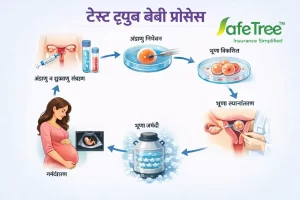
टेस्ट ट्यूब बेबी प्रोसेस | Test Tube Baby Process in Hindi

आज के समय में जब कई दंपति प्राकृतिक रूप से माता-पिता नहीं बन पाते, तब टेस्ट ट्यूब बेबी (IVF) एक उम्मीद की किरण बनकर सामने आता है। यह आधुनिक चिकित्सा विज्ञान वो चमत्कार है, जिसकी मदद से लाखों कपल्स माता-पिता बनने का सपना पूरा कर चुके हैं।

अगर आप भी इस सफर की शुरुआत करने की सोच रहे हैं, तो यह ब्लॉग आपको प्रक्रिया से लेकर इसके खर्च और इंश्योरेंस तक की पूरी जानकारी देगा।

टेस्ट ट्यूब बेबी आखिर है क्या? (test tube baby kya hai)

टेस्ट ट्यूब बेबी (Test Tube Baby) असल में आईवीएफ (IVF) प्रक्रिया का एक सामान्य नाम है। यह उन जोड़ों के लिए माता-पिता बनने की एक आधुनिक और सफल तकनीक है, जिन्हें प्राकृतिक रूप से गर्भधारण करने में समस्या आती है।

इस प्रक्रिया को आसान शब्दों में इस तरह समझा जा सकता है:

  • फर्टिलाइजेशन (मिलन): जब प्राकृतिक रूप से गर्भधारण नहीं हो पाता, तब लैब के नियंत्रित वातावरण में महिला के अंडे (Egg) और पुरुष के शुक्राणु (Sperm) का मिलन कराया जाता है।
  • भ्रूण का विकास: लैब में इस मिलन के सफल होने पर एक ‘भ्रूण’ (Embryo) तैयार होता है, जिसे कुछ दिनों तक विशेषज्ञों की देखरेख में विकसित किया जाता है।
  • प्रत्यारोपण (Transfer): जब यह भ्रूण पूरी तरह स्वस्थ और विकसित हो जाता है, तो इसे वापस महिला के गर्भाशय (Uterus) में डाल दिया जाता है।

इसके बाद की प्रक्रिया बिल्कुल सामान्य गर्भावस्था की तरह होती है, जहाँ बच्चा माँ की कोख में ही नौ महीने तक पलता और विकसित होता है।

टेस्ट ट्यूब बेबी प्रक्रिया किन लोगों के लिए मददगार है?

टेस्ट ट्यूब बेबी उन स्थितियों में सहायक होता है, जब –

  • फैलोपियन ट्यूब में समस्या: अगर ट्यूब ब्लॉक हो या डैमेज हो।
  • पुरुष फर्टिलिटी: स्पर्म काउंट कम होना या गुणवत्ता में कमी।
  • बढ़ती उम्र: अगर बढ़ती उम्र के कारण कंसीव करने में दिक्कत आ रही हो।
  • अनएक्सप्लेन्ड इनफर्टिलिटी: जब डॉक्टर को कोई स्पष्ट कारण न मिल रहा हो।

टेस्ट ट्यूब बेबी प्रोसेस हिंदी में |(Test Tube baby process in hindi)

1. प्रारंभिक जांच और काउंसलिंग

इस चरण में डॉक्टर पति-पत्नी दोनों की संपूर्ण जांच करते हैं, जैसे:

  • ब्लड टेस्ट
  • हॉर्मोन टेस्ट
  • अल्ट्रासाउंड
  • स्पर्म एनालिसिस

यह चरण तय करता है कि IVF प्रक्रिया आपके लिए उपयुक्त है या नहीं।

2. ओवेरियन स्टिम्युलेशन (Ovarian Stimulation)

इस प्रक्रिया की शुरुआत में महिला को कुछ दिनों तक खास दवाइयां या इंजेक्शन दिए जाते हैं, ताकि उनके शरीर में एक से ज्यादा अंडे (Eggs) बन सकें। इस दौरान डॉक्टर लगातार अल्ट्रासाउंड के जरिए यह देखते रहते हैं कि अंडे सही तरीके से विकसित हो रहे हैं या नहीं।

3. एग रिट्रीवल (Egg Retrieval)

जब अंडे पूरी तरह तैयार हो जाते हैं, तो एक छोटी और सुरक्षित प्रक्रिया के जरिए उन्हें बाहर निकाल लिया जाता है। इस दौरान महिला को हल्की बेहोशी (Anesthesia) दी जाती है, ताकि उन्हें बिल्कुल भी दर्द महसूस न हो। यह प्रक्रिया काफी कम समय में पूरी हो जाती है और पूरी तरह सुरक्षित होती है।

4. फर्टिलाइजेशन (Fertilization)

लैब के सुरक्षित वातावरण में अब अंडों (Eggs) और शुक्राणुओं (Sperm) का मिलन कराया जाता है। कुछ विशेष मामलों में, जहाँ शुक्राणु की गुणवत्ता कम हो, वहाँ ICSI तकनीक का उपयोग होता है। इस तकनीक में एक बारीक सुई के जरिए सीधे अंडे के अंदर एक स्वस्थ स्पर्म को पहुँचाया जाता है, ताकि सफल फर्टिलाइजेशन की संभावना बढ़ जाए।

5. एम्ब्रियो ट्रांसफर (Embryo Transfer)

जब भ्रूण विकसित हो जाता है (3–5 दिन में), तो उसे महिला के गर्भाशय में स्थानांतरित कर दिया जाता है।

6. प्रेग्नेंसी टेस्ट

लगभग 12–14 दिन बाद ब्लड टेस्ट के जरिए गर्भावस्था की पुष्टि की जाती है।

टेस्ट ट्यूब बेबी के लाभ

  • गर्भधारण की बेहतर संभावना: आधुनिक तकनीकों की मदद से इसमें सफल प्रेगनेंसी की संभावना प्राकृतिक तरीके से कहीं ज्यादा होती है।
  • इनफर्टिलिटी की समस्याओं का अंत: चाहे ब्लॉक फैलोपियन ट्यूब हो या पुरुषों में स्पर्म काउंट की कमी, यह तकनीक बांझपन की लगभग हर समस्या का समाधान है।
  • उम्रदराज महिलाओं के लिए वरदान: जो महिलाएं बढ़ती उम्र के कारण कंसीव नहीं कर पा रही हैं, उनके लिए यह तकनीक माँ बनने का सबसे सुरक्षित रास्ता है।
  • जेनेटिक स्क्रीनिंग (बीमारियों से बचाव): इसमें PGD/PGS जैसी सुविधा होती है, जिससे भ्रूण की जांच की जा सकती है ताकि बच्चा किसी भी अनुवांशिक या खानदानी बीमारी से मुक्त और स्वस्थ पैदा हो।
  • माता-पिता बनने का सपना सच: यह तकनीक उन हजारों जोड़ों के जीवन में खुशियाँ लाती है जो सालों से संतान सुख का इंतज़ार कर रहे हैं।

IVF और इंश्योरेंस: क्या आपकी पॉलिसी खर्च उठाएगी?

एक इंश्योरेंस ब्रोकर के तौर पर हमें पता है कि IVF का नाम आते ही सबसे पहले मन में “खर्च” का ख्याल आता है। भारत में अब इंश्योरेंस कंपनियां धीरे-धीरे आधुनिक हो रही हैं और फर्टिलिटी ट्रीटमेंट को कवर करना शुरू कर दिया है।

लेकिन, यहाँ आपको इन 3 बातों का ध्यान रखना चाहिए:

  • वेटिंग पीरियड (Waiting Period): ज़्यादातर मेटरनिटी या इनफर्टिलिटी कवर में 2 से 4 साल का वेटिंग पीरियड होता है। इसलिए प्लानिंग हमेशा एडवांस में करें।
  • सब-लिमिट (Sub-limit): कुछ पॉलिसी में IVF के लिए एक फिक्स्ड लिमिट होती है (जैसे ₹50,000 या ₹1 लाख तक)। पूरी पॉलिसी की लिमिट यहाँ लागू नहीं होती।
  • राइडर का चुनाव: अगर आपकी मौजूदा पॉलिसी में कवर नहीं है, तो आप ‘Fertility Rider’ अलग से जोड़ सकते हैं।

निष्कर्ष:

आईवीएफ (IVF) सिर्फ एक मेडिकल प्रोसीजर नहीं है, यह एक भावनात्मक सफर है। हम Safetree में यह सुनिश्चित करते हैं कि आपको इलाज के दौरान पैसों की चिंता न करनी पड़े।

हमारी प्रो-टिप: अपनी IVF प्रक्रिया शुरू करने से पहले अपनी इंश्योरेंस फाइल हमें दिखाएं। हम आपको बताएंगे कि आपकी पॉलिसी में क्या-क्या कवर है और आप क्लेम कैसे ले सकते हैं।

डिस्क्लेमर: यह blog टेस्ट ट्यूब बेबी की सामान्य प्रक्रिया को समझाने के लिए है। स्वास्थ्य संबंधी किसी भी निर्णय या चिकित्सा खर्चों के कवरेज के बारे में अधिक जानकारी के लिए अपने मेडिकल सलाहकार और अपनी बीमा पॉलिसी के नियमों व शर्तों को ध्यान से पढ़ें।

6 months ago · by · 0 comments
IVF maternity insurance

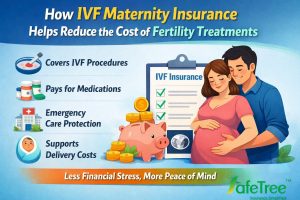
How IVF Maternity Insurance Helps Reduce the Cost of Fertility Treatments?

What is IVF, and why is it so expensive?

IVF (in vitro fertilisation) is a medical process where eggs are retrieved from the ovaries and fertilised by sperm in a specialised laboratory. The resulting embryo is then transferred back into the uterus.

For many couples IVF offers real hope, but it is a high-cost fertility treatment because it requires the following:

Advanced Lab Facilities: Embryos must be kept in highly controlled cleanrooms with 24/7 monitoring.

Highly Trained Specialists: A team including reproductive endocrinologists, embryologists, and anaesthesiologists is required.

Costly Medicines: Hormonal injections used to stimulate ovaries can cost between ₹40,000 and ₹90,000 per cycle alone.

Sophisticated Equipment: The use of high-end incubators and microscopes (especially for ICSI) drives up the fertility treatment cost.

What is IVF maternity insurance?

IVF maternity insurance is a specially designed policy for women who conceive through assisted reproductive techniques (ART). Unlike standard health insurance plans that usually focus on natural pregnancies, this coverage takes into account the specific challenges of an IVF maternity pregnancy. It recognises the need for closer medical supervision and higher risk management, offering financial support from procedures like egg retrieval right through to childbirth.

Why is IVF Maternity Insurance Important in India?

In India, the cost of IVF treatment is a major hurdle. With medical inflation rising, a single IVF cycle can range from ₹1.5 lakh to ₹4.5 lakh.

Financial Risk: Since the success rate is often 30–50% per cycle, many couples require 2 or 3 attempts. Without insurance, this can lead to a debt of over ₹10 lakhs.

High Demand: With over 2.5 lakh IVF cycles conducted annually in India, insurance has become essential to ensure that couples don’t have to stop treatment due to a lack of funds.

How does IVF maternity insurance help reduce fertility treatment costs in India?

This insurance acts as a financial cushion in three ways:

Cashless Treatment: Many plans allow you to undergo expensive procedures at top fertility chains without paying upfront.

Coverage of Add-ons: It can significantly lower the fertility treatment cost by covering diagnostic tests, blood work, and even lab procedures like embryo transfer.

Complication Management: If a procedure like “ovum pickup” leads to a medical complication, the insurance covers the hospitalisation, which could otherwise cost an extra ₹50,000–₹100,000.

What does IVF maternity insurance coverage typically include?

A comprehensive IVF insurance coverage plan usually includes:

Diagnostic Investigations: Blood tests, USGs, and semen analysis.

Clinical Procedures: Ovarian stimulation, egg retrieval (ovum pick-up), and embryo transfer.

Hospitalisation: Room rent, ICU charges, and nursing care.

Maternity Benefits: Coverage for both normal and C-section deliveries.

Newborn Cover: Immediate medical care for the baby for the first 30–90 days.

What’s the difference between IVF insurance & IVF maternity insurance?

It is vital to distinguish these two:

IVF Insurance: Primarily covers the clinical lab procedures and medications required to achieve a pregnancy. It focuses on the “treatment” phase.

IVF Maternity Insurance: A broader plan that covers the treatment plus the 9 months of pregnancy and the actual delivery. It is a complete “conception-to-cradle” solution.

What is the waiting period for IVF maternity insurance?

Most standard maternity insurance plans in India have a waiting period of 24 to 48 months. However, specialised IVF insurance plans are more flexible:

Safetree Parenthood Plans: Often feature shorter waiting periods, such as 7 months for maternity or 12 months for IVF cycles.

Corporate Plans: In some cases, waiting periods are waived entirely if offered through an employer.

Is IVF maternity insurance worth it?

If you’re planning to conceive through IVF, the short answer is yes. With a premium that’s usually less than 10% of the cost of a single IVF cycle, this insurance helps protect you from unexpected situations such as repeated treatment attempts, pregnancy-related complications, or the need for an emergency C-section. Instead of worrying about sudden medical expenses, you can focus on what truly matters: preparing for your baby and your growing family.

Conclusion

The journey to parenthood through IVF is a deeply personal and emotional one, but it shouldn’t have to be a financial burden that drains your life savings. As we’ve explored, IVF maternity insurance is no longer just a “luxury” add-on; in 2026, it has become a vital financial safety net for couples in India.

By choosing the right plan, you aren’t just buying an insurance policy; you are buying peace of mind. It allows you to focus on what truly matters: your health, your emotional well-being, and the excitement of welcoming a new member into your family, without the constant stress of rising fertility treatment costs.

Frequently Asked Questions

Is IVF covered under maternity insurance?

Typically, standard maternity insurance only covers delivery and newborn care; however, specialised fertility-focused maternity plans now include IVF. These plans bundle the clinical procedure (conception) with the subsequent pregnancy and delivery into a single policy.

Which insurance company covers IVF in India?

Leading providers include Safetree (Parenthood Plans), Care Health (Care Classic), Niva Bupa (Aspire), and Star Health (Women Care). Many of these offer either dedicated fertility policies or optional riders that can be added to a base health plan.

What is the waiting period for IVF maternity insurance?

The waiting period usually ranges from 12 to 24 months for specialised retail plans, though some basic policies may require up to 36 months. In contrast, certain corporate group plans may offer coverage with a much shorter or even zero waiting period.

How to get IVF covered by insurance?

To secure coverage, you must specifically purchase a fertility-focused health plan or add an infertility rider to your existing policy. Since most plans have waiting periods, it is essential to buy the insurance at least 1–2 years before you intend to start your treatment.

Is IVF covered by insurance in India?

Yes, but it is primarily covered through specialised niche products rather than standard Mediclaim policies. While coverage is increasing in 2026, most plans have “sub-limits” (caps) ranging from ₹50,000 to ₹1.5 lakh per cycle and may limit the number of covered attempts.


Disclaimer:

This blog is for general informational and educational purposes only. The information related to insurance is provided for general guidance only. Before selecting any insurance policy, readers are advised to consult our insurance experts for detailed advice based on their individual needs.

6 months ago · by · 0 comments
Ivf cost in India

IVF Cost in India: A Financial Primer

Introduction

In India, IVF (in vitro fertilisation) is an important treatment and yet a costly path to the parenthood journey. A recent study shows that the financial burden is staggering; the average cost per IVF cycle is about ₹2.3 lakh in private clinics or hospitals and ₹1.1 lakh in government hospitals. Nearly 90% of IVF patients face catastrophic health spending, often borrowing money or depleting savings.

Typically, most of the standard health insurance plans exclude IVF, considering it an elective procedure, so couples typically pay these costs themselves. Only a tiny fraction (~5%) of couples have any IVF-specific coverage. These figures underline why the cost of IVF in India is often described as a public health crisis; the high “cost of IVF in India” means many delay or forego treatment due to financial burden.

Breaking Down the Real Cost of IVF

The real IVF treatment cost includes multiple components. A single IVF cycle typically involves:

  • Consultation & testing: Initial fertility workup (scans, blood tests) may run ₹10,000–₹30,000
  • Medications: Hormonal injections to stimulate the ovaries cost roughly ₹20,000–₹60,000 per cycle.
  • Procedure fees: Egg retrieval, fertilisation, and embryo transfer together often cost ₹60,000–₹150,000.
  • Extras: Add-on procedures (ICSI, PGT genetic tests, and embryo freezing) can add tens of thousands more.
  • Total cycle cost: In sum, one IVF cycle usually runs ₹1.2–2.0 lakh (and can exceed ₹2–3 lakh with complications).

Moreover, IVF often requires multiple cycles. Medical guidelines and studies note that couples often need 2–3 cycles to achieve a positive pregnancy. Each additional cycle roughly repeats the above costs. In other words, without the insurance coverage, a couple may face repeated bills of ₹1–2 lakh for each IVF cycle, compounding stress. (For perspective, one study calculated that three IVF cycles could push a couple’s total expenses above ₹3 lakh. These outlays on treatments, tests, drugs and travel quickly add up, which is why about half of couples end up financing a loan to afford IVF.

The Role of IVF Insurance

Traditional health insurance policies in India rarely cover IVF treatment costs. However, specialised fertility insurance plans have emerged. For example, SafeTree offers dedicated IVF insurance plans tailored for Indians. These include Prime Care, Future Fertility Plan and Elite Care. Each plan comes with different waiting periods and coverages. For instance,

    • SafeTree’s Prime Care Plan – (1‑year waiting period) provides a sum insured of ₹4.5 lakh, covering one full IVF cycle (up to ₹1.5 lakh).
    • SafeTree Future Fertility Plan(3‑year wait) offers a ₹2.5 lakh sum insured, including one IVF cycle up to ₹1.5 lakh.
    • SafeTree Elite Plan – (2‑year wait) extends cover to two IVF cycles (plus IUI) up to ₹2.5 lakh in total


These insurance plans handle major IVF expenses, which include doctor fees, egg retrieval, embryo transfer, etc., within their sum insured. Some treatments (like donor gametes or advanced genetic tests) may be excluded, but core costs are insured. By contrast, without IVF insurance, couples bear 100% of infertility treatment costs out-of-pocket. For example, if a cycle costs ₹2 lakh and the insurance policy covers ₹1.5 lakh of it, the uninsured couple pays the full ₹2 lakh directly. With insurance, most of the full ₹2 lakh is covered by the policy, so the couple’s immediate bill drops drastically (they pay only the uncovered portion plus the annual premium). In sum, IVF insurance transforms unpredictable, one-off bills into manageable premiums and co-pays, significantly lowering financial risk.

IVF with Insurance: Lowering the Financial Stress

Insurance shifts IVF from a draining bill shock to a predictable cost. Health experts note that having coverage allows couples to focus on treatment rather than financial burden. IVF is not only physically and emotionally demanding, but it can also be mentally taxing if finances are tight. With insurance, many major expenses, like stimulation drugs, consultations, and procedure fees, are prepaid by the policy.

Is IVF Insurance Worth It?

For many couples, the insurance protection is worth the cost. Consider SafeTree’s plans: the Platinum Plan covers ₹1.5 lakh per cycle for about ₹9,600/year (20% co-pay applies). Without insurance, paying even one ₹1.5 lakh IVF bill at once can exhaust a year’s savings. Over multiple years, the total premium is often far less than one cycle’s fee. Similarly, Prime Care covers more (₹4.5L sum insured) at a higher premium (~₹48,773/year), which may suit those confident in using IVF soon. In all cases, the insurance premium is a small fraction of potential IVF costs. Importantly, experts recommend budgeting IVF over three cycles (as many couples need three attempts). Insurance can cover at least one or more cycles within its limits, whereas paying unguided might cut off treatment after the first unaffordable attempt.

Drawbacks: No plan covers every rupee. Waiting periods (1–3 years) mean insurance kicks in only if you haven’t started treatment immediately. Also, couples must continue paying premiums every year before claims. However, since most infertility treatments are elective and high-cost, even partial insurance greatly reduces financial exposure.

Frequently Asked Questions

What is the average IVF cost per cycle in India?

IVF in India typically ranges from about ₹1.2 lakh to ₹2.5 lakh per cycle. Basic treatment is often around ₹1–2 lakh, but costs can climb above ₹2 lakh with extra procedures or higher-priced clinics. Medication costs alone run ₹20k–60k. Because expenses vary widely by provider and medical need, budgeting should account for the higher end of these ranges.

Why is IVF so expensive?

IVF involves many complex, high-tech steps (hormone injections, egg retrieval surgery, lab fertilisation and monitoring) performed by specialists. Drugs and lab fees (for fertilising and culturing embryos) are major contributors. Each phase, which includes stimulation, monitoring scans, egg collection, and embryo transfer, incurs separate costs. If multiple eggs are fertilised and frozen, freezing/storage fees add up too. Success is not guaranteed, so multiple cycles multiply the expense. All these factors make the cost of IVF in India quite expensive.

Does standard health insurance cover IVF?

Generally no, conventional health plans consider IVF an elective procedure, so they exclude IVF and related fertility treatments. A handful of group or employer plans may offer fertility riders, but these are rare in India. As a result, most couples pay fully out of pocket. However, some insurers now offer dedicated fertility or IVF add-ons. In essence, if you have no special plan, IVF treatment cost falls entirely on you.

What does SafeTree IVF insurance cover?

SafeTree (an IRDAI-licensed broker) partners with insurers to offer three IVF insurance plans: Prime, Elite, and Platinum. These plans cover key IVF costs up to a set sum insured.

Is IVF with insurance really cheaper?

IVF with insurance converts a huge one-time expense into a more manageable ongoing cost. This means you can pursue the needed cycles without exhausting your finances at once. As one insurer explains, having IVF coverage makes treatment more accessible and really makes a difference by allowing you to concentrate on your treatment instead of stressing over bills.

How many IVF cycles does insurance cover?

Most IVF insurance plans cover a limited number of cycles, usually one or two, depending on the policy terms and sum insured. If additional IVF attempts are needed beyond the covered limit, the extra cycles must typically be paid for out of pocket or through a new policy.


Disclaimer: The cost mentioned in this article is an approximate estimate for informational purposes only. Actual treatment costs may vary depending on the hospital, location, and medical condition. Please consult a qualified healthcare professional for accurate medical advice and cost details.

6 months ago · by · 0 comments
IVF in Hindi

आईवीएफ क्या है (IVF Kya Hai) और आईवीएफ इन्श्युरेन्स क्यों ज़रूरी है?

समय के साथ हमारी प्राथमिकताओं और आवश्यकताओं में बदलाव आया है, इसका कारण हमारी बदलती जीवनशैली भी है। जीवनशैली (lifestyle) में बड़े परिवर्तन के कारण कई समस्याओं का सामना करना पड़ रहा है, जिनमें निःसंतानता (Infertility) भी एक है। आज देश में संतान की चाह रखने वाले लगभग 10 से 15 प्रतिशत दम्पतियों को निःसंतानता का सामना करना पड़ रहा है।

निःसंतानता से प्रभावित दम्पतियों के लिए IVF ट्रीटमेंट एक कारगर समाधान साबित हो रहा है। दुनियाभर में IVF प्रक्रिया के ज़रिए लाखों दम्पती संतान सुख प्राप्त कर चुके हैं। हालांकि, IVF एक एडवांस्ड और महंगी चिकित्सा है, इसलिए आज के समय में IVF Insurance Plan या बांझपन बीमा कवर की अहमियत भी तेज़ी से बढ़ रही है।

1978 में IVF तकनीक का आविष्कार ब्लॉक ट्यूब में गर्भधारण करवाने के लिए किया गया था। समय के साथ इसमें नए-नए आविष्कार होते गए और यह तकनीक अन्य निःसंतानता संबंधी समस्याओं में भी उपयोगी होती चली गई। अक्सर दम्पती ये जानना चाहते हैं कि IVF क्या है, IVF की प्रक्रिया कैसी होती है और क्या IVF का खर्च बीमा में कवर होता है?

आईवीएफ क्या है? (IVF Kya Hai)

IVF एक ऐसी तकनीक है, जिससे संतान की चाह रखने वाले दंपति गर्भधारण कर सकते हैं। यह उन कपल्स के लिए बेहद उपयोगी है जो प्राकृतिक रूप से गर्भधारण करने में असफल रहते हैं।

IVF में महिला के शरीर में होने वाली निषेचन प्रक्रिया (महिला के अंडे और पुरुष के शुक्राणु का मिलन) को शरीर के बाहर लेबोरेटरी में किया जाता है। इसके बाद तैयार भ्रूण को महिला के गर्भाशय में ट्रांसफर किया जाता है।

आज के समय में IVF के साथ-साथ यह सवाल भी आम हो गया है कि
“IVF ट्रीटमेंट का खर्च कितना होता है?”
और
“क्या IVF बीमा भारत में उपलब्ध है?”

आईवीएफ का फुल फॉर्म क्या होता है? (IVF Full Form in Hindi)

IVF का फुल फॉर्म In Vitro Fertilization होता है, जिसे आम बोलचाल में टेस्ट ट्यूब बेबी प्रोसेस भी कहा जाता है। इस तकनीक में महिला के अंडे को पुरुष के शुक्राणु से लैब में fertilize किया जाता है और बने भ्रूण को गर्भाशय में ट्रांसफर किया जाता है।

दुनिया में पहली बार 1978 में लंदन में IVF प्रक्रिया की गई थी, जिससे लुईस ब्राउन का जन्म हुआ। आज IVF तकनीक के साथ-साथ IVF बीमा कवरेज भी कई कपल्स के लिए एक राहत बन रही है।

आईवीएफ (IVF) की प्रक्रिया क्या होती है?

1. अंडों की संख्या बढ़ाना

प्राकृतिक रूप से महिला की ओवरी में हर महीने कई अंडे बनते हैं, लेकिन उनमें से केवल एक अंडा mature होता है। IVF प्रक्रिया में महिला को दवाइयों और इंजेक्शन के ज़रिए कई अंडे तैयार करवाए जाते हैं।

इस स्टेज पर होने वाले स्कैन्स, इंजेक्शन और दवाई का खर्च कई बार ज्यादा होता है, इसलिए कुछ Health Insurance Plans with IVF Maternity Cover इसमें वित्तीय सहायता दे सकते हैं।

2. अंडे शरीर से बाहर निकालना

अंडे पूर्ण विकसित होने के बाद अल्ट्रासाउंड गाइडेंस में एक पतली सुई की मदद से अंडों को बाहर निकाला जाता है। कुछ घंटों बाद महिला घर जा सकती है।

यह procedure भी IVF treatment cost का अहम हिस्सा होता है, जिसे सही IVF बीमा पॉलिसी होने पर आंशिक रूप से कवर किया जा सकता है।

3. अंडा फर्टिलाइजेशन (Egg Fertilization)

महिला के अंडों को fertilize करने के लिए महिला के जीवनसाथी के सीमेन सैंपल (semen sample) से हेल्थी स्पर्म चुने जाते हैं। लैब में फर्टिलाइजेशन की प्रक्रिया पूरी होती है।

यह स्टेज खासतौर पर उन couples के लिए फायदेमंद है जिनमें male infertility issues होते हैं।

4. भ्रूण का विकास

Embryologist भ्रूण को incubator में monitor करते हैं। 2–3 दिन में भ्रूण 6–8 सेल स्टेज में पहुंच जाता है। कई मामलों में भ्रूण को 5–6 दिन तक लैब में विकसित कर Blastocyst Stage तक लाया जाता है, जिससे IVF की सफलता दर बढ़ती है।

5. भ्रूण ट्रांसफर

चुने गए 1–2 healthy भ्रूण को कैथिटर की मदद से महिला के गर्भाशय में ट्रांसफर किया जाता है। यह प्रक्रिया पीड़ारहित होती है और पूर्ण आराम की ज़रूरत नहीं होती। भ्रूण ट्रांसफर के बाद प्रेगनेंसी पूरी तरह नेचुरल तरीके से आगे बढ़ती है।

आईवीएफ ट्रीटमेंट कोस्ट (IVF Treatment Cost )और आईवीएफ इन्श्युरेन्स (IVF Insurance) का रोल

IVF एक महंगा इलाज हो सकता है और कई बार एक से ज्यादा cycles की जरूरत पड़ती है। ऐसे में आईवीएफ इन्श्युरेन्स, इनफर्टिलिटी इन्श्युरेन्स या हेल्थ इन्श्युरेन्स with फर्टिलिटी कवर (Fertility cover) couples को फाइनेंशियल स्ट्रेस (Financial Stress) से बचाने में मदद करता है।

आज कुछ इन्श्युरेन्स कंपनियों IVF ट्रीटमेंट, दवाइयाँ, डायग्नोस्टिक और अस्पताल के खर्च को पॉलिसी टर्म के अनुसार कवर करती हैं।

IVF प्रक्रिया में जुड़वा बच्चे कैसे होते हैं?

IVF में जब एक से ज्यादा भ्रूण गर्भाशय में डाले जाते हैं, तो जुड़वां या एक से अधिक बच्चों के होने की संभावना बढ़ सकती है। लेकिन आजकल ब्लास्टोसिस्ट ट्रांसफर तकनीक की मदद से इस संभावना को कम करने की कोशिश की जाती है।

आईवीएफ (IVF) की आवश्यकता कब पड़ती है?

  • फॉलोपियन टूब ब्लोक (Fallopian tube block)
  • एंडोमेट्रिओसिस (Endometriosis)
  • पीसीओस (PCOS)
  • बार-बार गर्भपात
  • आयु कारक ( Age Factor)
  • लौ एग रिज़र्व (Low egg reserve)
  • Male infertility (low sperm count / poor quality)

इन सभी स्थितियों में IVF एक प्रभावी समाधान हो सकता है और सही IVF Insurance Plan इलाज को और आसान बना सकता है।

IVF तकनीक में नए आविष्कार

ICSI, IMSI, लेज़र असिस्टेड हैचिंग, ब्लास्टोसिस्ट कल्चर और एम्ब्रियो मॉनिटरिंग सिस्टम जैसी आधुनिक तकनीकें IVF की सफलता की संभावना को बेहतर बनाने में मदद कर रही हैं।

निष्कर्ष

IVF करवाना किसी भी दंपत्ति के लिए भावनात्मक और आर्थिक रूप से आसान नहीं होता। ऐसे समय में सही मार्गदर्शन, उन्नत उपचार और सहयोगी मेडिकल टीम के साथ-साथ IVF बीमा कवरेज भी बहुत महत्वपूर्ण भूमिका निभाता है।Safetree जैसी विशेषज्ञ बीमा कंपनी सही इंश्योरेंस प्लानिंग के साथ आपकी IVF यात्रा को अधिक सहज और कम तनावपूर्ण बनाने में मदद कर सकती है।


Disclaimer-

यह ब्लॉग केवल सामान्य जानकारी और शैक्षिक उद्देश्य के लिए तैयार किया गया है। इसमें दी गई जानकारी किसी भी प्रकार की चिकित्सीय सलाह, निदान या उपचार का विकल्प नहीं है। किसी भी स्वास्थ्य संबंधी समस्या, लक्षण या उपचार से जुड़े निर्णय लेने से पहले कृपया अपने स्वास्थ्य विशेषज्ञ से परामर्श अवश्य करें।

बीमा से संबंधित जानकारी केवल सामान्य मार्गदर्शन के लिए है। किसी भी इंश्योरेंस पॉलिसी के चयन से पहले अपनी आवश्यकताओं के अनुसार विस्तृत सलाह प्राप्त करने हेतु हमारे बीमा विशेषज्ञ से संपर्क करें।

12 months ago · by · 0 comments

From Cradles to Crisis – India’s Fertility Rate Falls Below the Line

India’s Fertility Crossroads: Turning Challenge into Opportunity

India has quietly crossed a crucial demographic threshold. The latest UNFPA State of World Population report puts our Total Fertility Rate (TFR) at 1.9, which is below the replacement level of 2.1.
This shift could, over time, impact our workforce, put pressure on social security systems, and slow economic momentum.