future fertility planning Archives - Page 2 of 2 - Safetree

We will contact you as soon as possible, please fill in your details!

Note: We will only use your details to contact you regarding your insurance query.

Blogs & Resources

4 weeks ago · by · 0 comments
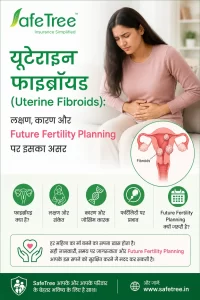
what are uterine fibroids

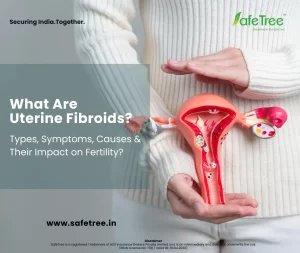
What Are Uterine Fibroids? Types, Symptoms, Causes & Their Impact on Fertility Planning

Heavy periods, bloating or a feeling of pressure in the pelvis are common for many women, and they simply take them for granted. But sometimes, these symptoms may be linked to something more common than people realise. Many women find out about fibroids while they are pregnant. The first time hearing the word “fibroids” can be stressful and worrisome, especially for women who want to be pregnant someday.

The positive side is that fibroids are very common, and many women are able to live healthy and safe lives as well as get pregnant when the right medical help and planning of future fertility are in place.

What are uterine fibroids?

Uterine fibroids are non-cancerous growths in or on the uterus. They are made up of fibre and muscle and may be small or big. Fibroids may be small, asymptomatic, or become sufficiently large to cause pain or health issues. Fibroids can grow on the interior of the uterus as a single growth or multiple growths. Unfortunately, most women do not find out about fibroids until something like a scan or medical exam shows them.

Fibroids are not typically a huge threat, but they can affect a woman’s quality of life by causing pain and affecting her menstrual cycle, and they can impact a woman’s fertility as well. For this reason, the symptoms of fibroids should not be ignored and thus should be learned of in advance.

Common Uterine Fibroid Symptoms

Not every woman experiences symptoms, but when they do appear, they can range from mild to severe depending on the size and location of the fibroids.

Some of the most common uterine fibroid symptoms include:

  • Heavy menstrual bleeding
  • Long or painful periods
  • Pressure or pain in the pelvic area
  • Frequent urination
  • Gassiness or abdominal distention (bloating)
  • Constipation
  • Pain during intercourse
  • Lower back pain
  • Feeling tired due to heavy blood loss

Pregnancy complications can also occur repeatedly, and for some women, difficulty conceiving may also occur if the fibroids have an impact on the shape of the uterus.

Many women have these symptoms for years and don’t realise that they are actually abnormal. All of these symptoms of chronic pain, excessive bleeding and frequent menstrual cycle changes should be considered and treated.

Types of Uterine Fibroids

Here are some of the types of uterine fibroids:

1. Intramural Fibroids

They are the most common fibroids and develop in the muscular wall of the uterus. These can cause heavy bleeding, pain and pressure in the pelvis, as well as an enlarged uterus.

2. Submucosal Fibroids

These fibroids develop only under the lining of the uterus. Small fibroids found in the submucosal area can cause heavy periods and fertility issues, since they can disrupt the process of pregnancy implantation.

3. Subserosal Fibroids

These fibroids develop either inside or outside of the uterus. In some instances, they may even compress the organs in the area, leading to frequent urination, which may cause constipation.

4. Pedunculated Fibroids

These fibroids will have a thin stalk that either remains inside or outside of the uterus. If the stalk twists severely, sharp pain can be experienced.

What causes uterine fibroids?

Many women ask themselves what caused their uterine fibroids. The actual answer is still unknown, but there are theories out there from a lot of doctors and researchers.

1. Hormonal Changes

Fibroids are also regulated by the hormones estrogen and progesterone and tend to start from the early reproductive years when the body produces these hormones.

2. Family History

It may also be that, if your mother or sister had fibroids, your risk of developing them increases as well.

3. Age

Women aged between 30 and 50 years are at a higher risk of having fibroids.

4. Lifestyle Factors

In some women, other factors like poor nutrition, obesity, and stress may also be considered to be a risk, and in some, lack of adequate exercise could be a risk.

5. Hormonal changes and pregnancy

Hormone levels are dramatically altered during pregnancy, and in some cases, the fibroids get bigger during the period of pregnancy.


Note: There is no particular method that exists for how to prevent fibroids; a good health check-up and a good lifestyle may help in reducing the complications.

Side effects of Uterine Fibroids

Some side effects of uterine fibroids are:

  • Pain in the pelvic area
  • Having heavy periods
  • Iron deficiency, anaemia
  • Lack of energy
  • Acute pain and continuous pain in the pelvic area
  • Trouble sleeping
  • Difficulty with usual activities
  • Stress and frustration

Fibroids that are left untreated may also lead to pregnancy complications, like miscarriage, premature delivery or complications in labour and delivery. Women who have had heavy periods for some time will experience lower levels of iron due to heavy bleeding and, consequently, dizziness and low energy.

Why is future fertility planning necessary when you have uterine fibroids?

While not all uterine fibroids interfere with fertility, in women experiencing pregnancy, it may happen depending on the size and location of the fibroids. Doctors can determine, by evaluating the condition of fertility at an early stage, if the fibroids will make a pregnancy impossible or interfere with the chance of becoming pregnant. With medical assistance, many women can become pregnant at this late stage, even naturally.

This is why a future fertility plan becomes important for women diagnosed with fibroids, especially if they are planning pregnancy later in life.

Conclusion

In conclusion, fibroids are very common, yet many women continue to experience these symptoms, unaware of the cause, which is uterine fibroids. Fibroids can lead to heavy periods, pelvic pain, problems with becoming pregnant, or other problems that affect life.

Thankfully, early diagnosis, frequent checking and prompt medical intervention can control symptoms. An awareness of the symptoms of uterine fibroids and the expected problems with the reproductive system could assist women in making informed choices in their future. SafeTree is also helping couples become more informed and active in their fertility awareness, reproductive health planning, and future family planning.

FAQs

1. Can uterine fibroids cause back pain?

Yes, big fibroids may compress close to nerves and muscles, and this can result in pain in the lower back or discomfort in the pelvic region.

2. Can uterine fibroids cause irregular periods?

Yes, in some women, fibroids can cause heavy bleeding, long periods, spotting between periods or irregular periods.

3. Are uterine fibroids painful?

They can be. Depending on where the fibroids are and their size, some females may feel slight soreness, and others may feel serious pain associated with pressure in their pelvis or painful menstruation.

4. Can I get pregnant if I have uterine fibroids?

Yes, you can conceive a baby naturally with fibroids. But some fibroids can impact fertility; therefore, early medical advice and fertility planning are significant.


Disclaimer:

This blog is for general informational and educational purposes only. The information provided here should not be considered a substitute for professional medical advice, diagnosis, or treatment. Before making any decisions related to health conditions, symptoms, or treatments, readers are advised to consult a qualified healthcare professional.

The information related to insurance is provided for general guidance only. Before choosing any insurance policy, readers should consult our insurance experts to receive detailed advice based on their individual needs and requirements.

1 month ago · by · 0 comments
Premature Ovarian Insufficiency

What is Premature Ovarian Insufficiency (POI)? Symptoms & Causes

Hot flashes coming out of nowhere, experiencing irregular periods, and being just 30 years old? It is because something is changing in your body which you can’t understand. In some women, these symptoms are signs of an unusual condition known as premature ovarian insufficiency (POI). People often learn of POI when symptoms occur without a clear cause or when they have fertility problems. Symptoms can be progressive, and the disease may be undiagnosed initially.

What is Premature Ovarian Failure?

Premature ovarian failure (POI) is defined as abnormal activity of the ovaries before the age of 40. Ovulations may become irregular, and the body may release less oestrogen. Even though people still use the term “ovarian failure”, doctors prefer to use “premature ovarian insufficiency” because your ovaries may still work sometimes. Some women still get their periods from time to time. They can still ovulate naturally in some cases. POI is not menopause. Menopause typically starts between the ages of 45 and 55, but POI may happen much sooner, as early as the early 20s or early 30s.

Premature Ovarian Failure Symptoms

Usually, symptoms are not immediately apparent. In some, changes occur slowly, similar to many changes in hormones. Others experience irregularity in their cycle, fertility or general health. The signs and symptoms of premature ovarian failure are:

1. Twisted or Absent periods

The first symptom is abnormal menstruation. Menstrual cycles can become irregular or become lighter or absent for months on end.

2. Difficulty in Getting Pregnant

Fertility may also be decreased earlier than usual because ovulation starts to occur less frequently, so it will be normal to have difficulty conceiving.

3. Hot Flashes and Night Sweats

The drop in oestrogen in women can trigger various menopause symptoms and signs, including hot flashes and night sweats.

4. Vaginal Dryness

Dryness, discomfort or pain during intimacy are issues for some women due to the decrease in estrogen production.

5. Mood Changes

Anxiety, emotional changes, moodiness or low mood may be due to hormonal fluctuations.

6. Reduced Sexual Desire

Some women also may experience a drop in libido due to a decrease in the level of hormones.

7. Fatigue and difficulty with concentration

When estrogen levels are low, you may experience fatigue, “brain fog”, or problems concentrating.

Premature Ovarian Failure: What are the Causes?

Premature ovarian insufficiency causes are not always clear. In many women, the cause is not clearly known. However, certain medical and genetic factors may increase the risk.

1. Genetic Conditions

A few inheritable diseases may disrupt ovarian activity and the production of eggs.

2. Autoimmune Disorders

In some instances, the immune system can also target the ovarian tissues, impairing how much hormones are produced and how often ovulation happens.

3. Medical Treatments

Radiation or chemotherapy used in cancer treatment may affect the ovaries and lower the amount of ovarian function.

4. Family History

Women with a family history of early menopause or POI may have a higher risk of developing the condition.

5. Chromosomal Abnormalities

Some chromosomal abnormalities can affect the proper functioning and development of the ovary.

6. Infections or Metabolic Disorders

In rare cases, damage to the ovary may also be due to a viral infection or a metabolic disorder.

Why is Future Fertility Planning Important?

When you have a POI diagnosed, it can be a heart-wrenching experience, particularly when you don’t have kids but wish to have them in the future. The feelings of loss, shock and confusion are natural. However, keep in mind that a diagnosis today is not an end to parenthood.

POI is not permanent infertility, especially when there is still some chance of spontaneous ovulation. It is essential to take action right away and get a Future Fertility Plan in place. A well-designed fertility plan helps couples prepare financially and medically for parenthood.

Conclusion

Lastly, coping with a POI diagnosis can be confusing and emotionally stressful, especially at a young age. Recognising early signs of the condition can really help. By becoming aware of symptoms, getting timely medical advice and ‘fertility planning’, women are better equipped and informed to manage their reproductive health journey. Women with POI can take control of their reproductive health with the right support, awareness and future fertility planning from Safetree

Frequently Asked Questions

1. Can Premature Ovarian Failure be Reversed?

Unfortunately, in most instances, there is no cure for POI, but treatment can help reduce the symptoms of POI and hormonal imbalances.

2. What is worse, PMOS or POI?

Polyendocrine Metabolic Ovarian Syndrome (PMOS) is a different condition from POI. POI can more directly be related to your fertility concern, with a reduced ovarian function level much earlier.

3. Can I still ovulate with POI?

Yes, occasional periods may still occur in some women with POI, although periods may become irregular.

Disclaimer:

This blog is for general informational and educational purposes only. The information provided here should not be considered a substitute for professional medical advice, diagnosis, or treatment. Before making any decisions related to health conditions, symptoms, or treatments, readers are advised to consult a qualified healthcare professional.

The information related to insurance is provided for general guidance only. Before choosing any insurance policy, readers should consult our insurance experts to receive detailed advice based on their individual needs and requirements.

2 months ago · by · 0 comments
What is PCOS

What is PCOS/PMOS ? Its Symptoms, Causes, Effect on Fertility & Future Planning

Introduction

Polycystic Ovary Syndrome (PCOS) or Polyendocrine Metabolic Ovarian Syndrome (PMOS) is more than simply a medical designation; it is a complex hormonal riddle which impacts millions of women worldwide. It is one of the most common conditions in women’s health but remains poorly understood. Many women spend years without a diagnosis, chalking up irregular periods to “just stress” or blaming lifestyle alone for obstinate weight gain. Most people only learn the word when they meet an unanticipated hurdle, a stubborn breakout that won’t respond to treatment, or the agony of trying to conceive.

The thing about PCOS is there is no one script for it. It can be simple to miss because it manifests differently in each woman until its repercussions are impossible to ignore. But the thing is, PCOS is manageable. The most powerful first step to regain control of your health is to understand what it is, why it happens and how it affects your fertility and future.

What is PCOS /PMOS ?

Polycystic Ovary Syndrome (PCOS) or PMOS is a hormonal condition that affects women of reproductive age. It is, at its core, caused by an overabundance of androgens, naturally occurring hormones like testosterone that all women have in their bodies but are produced in abnormally high quantities in women with PCOS. This hormonal imbalance is a kind of “glitch” in the connection between the brain and the ovaries, interrupting the normal release of an egg, or ovulation. In a normal monthly cycle the ovaries mature and release one egg. In a PCOS cycle that procedure frequently stops. The ovaries may create a number of tiny fluid-filled sacs rather than releasing a mature egg. These are sometimes referred to as ‘cysts’ but in reality are immature follicles, eggs that started to grow but didn’t quite make it to the finish line.

And it is equally vital to know that PCOS is much more than an ovarian problem. It’s a metabolic and endocrine illness, which means it can impact the way your body handles sugar, controls weight, manages skin health and even influences your mood. Interestingly, the word itself can be deceiving; you can have PCOS without a single cyst visible on your ovaries, and you can have polycystic-looking ovaries without having the syndrome. Diagnosis is therefore reliant on a combination of symptoms, hormone blood tests and ultrasound results rather than any one indication.

Common Symptoms of PCOS/PMOS

PCOS is typically considered a “silent” disease since its symptoms are modest, progressive, and easily blamed on other things. They also vary widely from person to person, which is part of the reason it sometimes stays misdiagnosed for years. That said, there are trends you may look for.

Menstruation and Reproductive Changes

The most frequent symptom of PCOS is irregular periods. This can be, such as occasional periods, cycles that are unpredictably lengthy or short, or periods that cease altogether for months at a time, a disorder termed ‘amenorrhoea’. This is because when you don’t ovulate regularly, the hormones that tell your body when to have a period become out of whack, too. For women attempting to conceive, this inconsistency is typically the first indication that something more is wrong.

Physical & Cosmetic Signs

High levels of androgens make their mark on the body. One of the most frequent is hirsutism, the development of thick, black hair in locations that are generally associated with male hair patterns, such as the face, chin, chest or back. Many women also suffer from ongoing acne into adulthood, commonly on the jawline, chest or upper back, which doesn’t respond to typical skincare solutions. Ironically hair develops where you don’t want it, and you can have thinning or loss of hair on the scalp, such as male-pattern baldness.

Metabolic & Skin Signals

The metabolic component of PCOS is substantial. Weight gain, particularly around the belly, is frequent, and because of insulin resistance, reducing that weight can feel disproportionately hard even with a good diet and regular exercise. Clues can also be found in the skin. Dark patches that feel velvety, known as ‘acanthosis nigricans’, commonly form in body folds like the neck, armpits or groin and indicate that the body is having trouble managing insulin levels. Another often-missed symptom is a few skin tags in similar spots. It’s worth remembering that you don’t need to have every symptom on this list to have PCOS. If two or three of these indicators occur together, that is even more cause to talk with a healthcare provider.

Causes of PCOS/PMOS?

The specific cause of PCOS is not entirely understood, research generally suggests a collection of overlapping causes, rather than a single origin. Think of it as a “perfect storm”, where genetics, biology and lifestyle collide.

1. The main driver is assumed to be insulin resistance. When body cells aren’t responding normally to insulin, the pancreas creates more of it to compensate for the deficiency. This high amount of insulin then tells the ovaries to make too many androgens, which prevents ovulation and keeps the hormonal imbalance that is at the core of PCOS going.

2. Hormonal imbalance itself starts a self-reinforcing cycle. And when androgens increase, they interfere with the development and release of eggs by the ovaries, causing irregular cycles, which then allow androgens to climb further, creating a difficult-to-break loop without intervention.

3. Genetics matter. Polycystic ovary syndrome is something that runs in families. If your mother or sibling has PCOS, you are at a much higher risk. Genes are more like a blueprint, though; they form the tendency, but environmental and lifestyle variables typically influence whether the condition actually shows itself.

4. Another under-discussed element is low-grade inflammation. Many women with PCOS have some level of chronic, low-grade internal inflammation that subtly prods the ovaries to keep releasing extra androgens, adding another layer of complexity to hormonal and metabolic health without providing clear physical signs.

5. Finally, lifestyle and environmental factors, a sedentary habit, high stress levels, poor sleep, and a diet high in refined carbs, do not cause PCOS by themselves, but they work as accelerators. They increase insulin resistance and hormone dysregulation, leading to more severe symptoms that are sometimes more difficult to treat over time.

PCOS and Its Impact on Fertility

PCOS is one of the most common causes of infertility in women worldwide. However, a diagnosis does not mean that motherhood is out of reach. While PCOS creates hurdles by disrupting ovulation, the essential process for conception, understanding these challenges is the first step toward overcoming them.

Here is how PCOS specifically affects the journey to conception:

1. Irregular or Absent Ovulation

The most direct impact of PCOS is the disruption of the ovulation cycle. Elevated androgen levels can “stall” the ovaries, preventing them from releasing an egg regularly. If an egg isn’t released, fertilisation cannot occur. This is known as anovulatory infertility, and it is the most common hurdle for women with PCOS.

2. Challenges with Egg Quality and Maturation

In a balanced cycle, hormones signal an egg to mature and release. In a PCOS environment, these signals can get “noisy”. This often leads to the development of follicles that never quite reach maturity, making it harder for a healthy egg to be available for fertilisation.

3. The “Timing” Difficulty

Predicting your most fertile days is already a challenge, but with the irregular periods common in PCOS, the “fertile window” becomes a moving target. This unpredictability can make the process of trying to conceive feel stressful and exhausting.

4. The Insulin Link

Insulin resistance doesn’t just affect weight; it plays a major role in fertility. High insulin levels tell the ovaries to produce more testosterone, which further suppresses ovulation. Managing insulin is often the “secret key” many women use to successfully restore their cycles.

5. Pregnancy and Beyond

The journey doesn’t end at conception. Women with PCOS may face a higher risk of certain complications, such as gestational diabetes or high blood pressure. However, with proactive prenatal care and healthy lifestyle adjustments, these risks can be significantly managed.

The Bottom Line: Pregnancy is Still Possible. It is important to remember that PCOS is not a sentence for permanent infertility. Most women with PCOS can and do become pregnant. Whether through lifestyle changes that restore natural ovulation, medications to “jumpstart” the ovaries, or assisted reproductive technologies like IVF, there are more paths to parenthood today than ever before.

Why Future Fertility Planning matters with PCOS?

A PCOS diagnosis isn’t a stop sign; it’s a call to be more intentional. Because the condition affects your hormonal “rhythm”, a proactive approach can be the difference between a journey filled with guesswork and one defined by clarity and confidence.

Here is why planning ahead for your future fertility is the greatest advantage:

1. Managing the “Unpredictability” Factor

With PCOS, you can’t always rely on a standard calendar to track your fertile window. By planning early, you can begin tracking your unique cycle patterns and identifying whether you are ovulating at all. This data is gold, and it allows you to seek medical guidance sooner rather than waiting until you’ve been trying to conceive for a year.

2. Understanding Your Unique Timeline

While fertility generally declines with age, the PCOS timeline is famously individual. Some women find their cycles actually become more regular in their early 30s, while others face increasing metabolic challenges. Early planning helps you map your specific hormonal health so you can make informed decisions about when the “right time” truly is for you.

3. The Power of Early Intervention

Managing PCOS is like steering a large ship; it takes time to see the course change. Starting lifestyle adjustments now (like optimising nutrition to manage insulin resistance) can take months to show results in your ovulation cycle. By intervening early, you “prime” your body for a healthier conception down the road.

4. Reducing Pregnancy Risks Before They Start

A healthy pregnancy begins long before the positive test. Since PCOS is linked to higher risks of gestational diabetes and high blood pressure, using the “pre-planning” phase to optimise your metabolic health significantly reduces these risks for both you and your future baby.

5. Keeping All Your Options on the Table

Fertility planning isn’t just about trying for a baby now; it’s about preserving your choices for later. Whether that means exploring natural conception, cycle-tracking apps, or even discussing options like egg freezing, early awareness gives you the luxury of time and the flexibility to choose the path that fits your life.

Conclusion

Polycystic Ovary Syndrome is a difficult, lifelong ailment, but it is one that can be understood, managed and navigated with confidence. Whether you are just starting to notice symptoms, are actively trying to conceive or are just planning for the future, knowledge is your best tool. PCOS does not need to be your health journey or limit your potential. With the correct medical assistance, consistent lifestyle choices and smart financial planning, millions of women with PCOS go on to lead healthy, full lives and build the families they dreamt of.

At SafeTree, we believe women who are well-informed are empowered to make the best decision for themselves, and we’re here to walk along you every step of the way with our Future Fertility Plan, your Fertility SIP.


Disclaimer: This blog is for general informational and educational purposes only. The information provided here should not be considered a substitute for professional medical advice, diagnosis, or treatment. Before making any decisions related to health conditions, symptoms, or treatments, readers are advised to consult a qualified healthcare professional.
The information related to insurance is provided for general guidance only. Before choosing any insurance policy, readers should consult our insurance experts to receive detailed advice based on their individual needs and requirements.
2 months ago · by · 0 comments
PCOS in Hindi

पीसीओएस (PCOS) क्या है? जानें इसके लक्षण, कारण और भविष्य की फर्टिलिटी प्लानिंग पर इसका असर

आज की आधुनिक और तनावपूर्ण जीवनशैली के बीच महिलाओं में हार्मोनल असंतुलन की समस्या तेजी से बढ़ रही है। इन्हीं में से एक गंभीर स्थिति है PCOS (पॉलीसिस्टिक ओवरी सिंड्रोम)। यह केवल एक मेडिकल रिपोर्ट का हिस्सा नहीं है, बल्कि एक ऐसी स्थिति है जो धीरे-धीरे एक महिला के शरीर, आत्मविश्वास और उसके भविष्य के सपनों को प्रभावित करने लगती है।दिक्कत यह है कि इसके लक्षण इतने सामान्य होते हैं जैसे चेहरे पर मुँहासे या अनियमित पीरियड्स कि इन्हें अक्सर ‘साधारण समस्या’ समझकर टाल दिया जाता है। लेकिन गहराई में जाकर देखें तो PCOS का सीधा असर आपकी फर्टिलिटी (मां बनने की क्षमता) और दीर्घकालिक स्वास्थ्य पर पड़ता है।

समय रहते इसकी पहचान और सही प्लानिंग ही वह रास्ता है, जिससे आप इस स्थिति को नियंत्रित कर सकती हैं और भविष्य में मातृत्व के सुख को सुरक्षित रख सकती हैं। आइए, विस्तार से समझते हैं कि PCOS क्या है और आपको इसके प्रति क्यों सतर्क रहना चाहिए।

पीसीओएस (PCOS) क्या है?

पीसीओएस (पॉलीसिस्टिक ओवरी सिंड्रोम) महिलाओं में होने वाली एक जटिल हार्मोनल स्थिति है। सरल भाषा में कहें तो, यह तब होता है जब एक महिला का शरीर बहुत अधिक मात्रा में ‘एंड्रोजन’ (पुरुष हार्मोन, जो महिलाओं में कम मात्रा में होते हैं) बनाने लगता है।

इस हार्मोनल असंतुलन के कारण शरीर में कई बदलाव आते हैं:

  • अंडाशय (Ovaries) पर प्रभाव: ओवरीज़ सामान्य से बड़ी हो सकती हैं और उनमें छोटे-छोटे तरल पदार्थ से भरी गांठें (Cysts) बन सकती हैं। ये सिस्ट वास्तव में अपरिपक्व अंडे (Immature eggs) होते हैं।
  • ओव्यूलेशन में बाधा: हार्मोनल गड़बड़ी के कारण हर महीने अंडाणु पूरी तरह विकसित होकर बाहर नहीं निकल पाता, जिससे पीरियड्स अनियमित हो जाते हैं और गर्भधारण में मुश्किल आती है।
  • मेटाबॉलिज्म पर असर: यह शरीर की इंसुलिन का उपयोग करने की क्षमता को भी प्रभावित करता है, जिससे वजन बढ़ना और थकान जैसी समस्याएं शुरू हो जाती हैं।

जरूरी बात: ‘सिंड्रोम’ का अर्थ है लक्षणों का समूह। यानी हर महिला में इसके लक्षण अलग-अलग हो सकते हैं, इसलिए इसे ‘खामोश बीमारी’ भी कहा जाता है क्योंकि इसके प्रभाव शरीर के अंदरूनी हिस्सों पर ज्यादा होते हैं।

PCOS के लक्षण: आपका शरीर आपको क्या बताने की कोशिश कर रहा है?

PCOS की सबसे बड़ी चुनौती यह है कि इसके लक्षण हर महिला में एक जैसे नहीं होते। किसी को केवल एक लक्षण हो सकता है, तो किसी को कई। यही कारण है कि इसे समय रहते पहचानना अनिवार्य है।

शरीर द्वारा दिए जाने वाले कुछ प्रमुख संकेत इस प्रकार हैं:

  • अनियमित पीरियड्स: पीरियड्स का समय पर न आना, बहुत देरी से आना या पीरियड्स के दौरान ब्लीडिंग का बहुत कम या बहुत ज्यादा होना। यह ओव्यूलेशन में गड़बड़ी का सबसे बड़ा संकेत है।
  • अनचाहे बालों का उगना: शरीर में पुरुष हार्मोन (Androgen) बढ़ने के कारण चेहरे, ठुड्डी, छाती या पेट पर काले और मोटे बालों का आना।
  • अचानक वजन बढ़ना: स्वस्थ डाइट के बावजूद वजन का तेजी से बढ़ना, खासकर पेट के निचले हिस्से के आसपास चर्बी जमा होना।
  • त्वचा और बालों की समस्याएं: चेहरे पर जिद्दी मुँहासे, ऑयली स्किन और सिर के बालों का पतला होना या झड़ना।
  • मूड स्विंग्स और सुस्ती: हार्मोनल उतार-चढ़ाव के कारण बार-बार मूड बदलना, चिड़चिड़ापन, तनाव और हर वक्त शरीर में थकान महसूस होना।
  • डार्क पैचेस: गर्दन के पीछे, बग़ल या जांघों के बीच की त्वचा का गहरा या काला पड़ जाना।

पीसीओएस (PCOS) क्यों होता है? इसके पीछे के मुख्य कारण

डॉक्टर्स और विशेषज्ञ मानते हैं कि पीसीओएस किसी एक कारण से नहीं, बल्कि कई आंतरिक और बाहरी कारकों के मिलने से होता है। इसे समझना इसलिए जरूरी है ताकि आप इसके मूल कारण पर काम कर सकें।

इसके प्रमुख कारण निम्नलिखित हैं:

  • इंसुलिन रेजिस्टेंस: यह PCOS का सबसे बड़ा कारण माना जाता है। जब शरीर की कोशिकाएं इंसुलिन का सही उपयोग नहीं कर पातीं, तो रक्त में शुगर का स्तर बढ़ जाता है। इसे नियंत्रित करने के लिए शरीर और ज्यादा इंसुलिन बनाता है, जो अंडाशय को अधिक पुरुष हार्मोन बनाने के लिए उकसाता है
  • हार्मोनल असंतुलन: शरीर में एंड्रोजन का स्तर बढ़ जाना और प्रोजेस्टेरोन जैसे जरूरी हार्मोन्स की कमी होना ओव्यूलेशन की प्रक्रिया को रोक देता है।
  • आनुवंशिक कारण: यदि आपकी माँ या बहन को पीसीओएस की समस्या रही है, तो आपके इसमें विकसित होने की संभावना काफी बढ़ जाती है। यह अक्सर पीढ़ी दर पीढ़ी चलता है।
  • शरीर में सूजन: शोध बताते हैं कि पीसीओएस वाली महिलाओं के शरीर में एक प्रकार की ‘लो-ग्रेड इन्फ्लेमेशन’ होती है, जो अंडाशय को पुरुष हार्मोन बनाने के लिए उत्तेजित करती है

खराब जीवनशैली: शारीरिक सक्रियता की कमी, तनाव, नींद की कमी और बहुत अधिक प्रोसेस्ड फूड या शुगर का सेवन इस स्थिति को और गंभीर बना देता है।

पीसीओएस (PCOS) और फर्टिलिटी: क्या यह मातृत्व के सपने को प्रभावित करता है?

पीसीओएस का नाम सुनते ही कई महिलाओं के मन में सबसे पहला डर ‘कंसीव’ करने को लेकर आता है। यह सच है कि पीसीओएस फर्टिलिटी के लिए चुनौतियां पैदा करता है, लेकिन यह नाममुमकिन बिल्कुल नहीं है।

यह फर्टिलिटी को कैसे प्रभावित करता है?

  • अनियमित ओव्यूलेशन: गर्भधारण के लिए हर महीने अंडाशय से एक स्वस्थ अंडे का निकलना जरूरी है। पीसीओएस में हार्मोनल गड़बड़ी के कारण अंडा समय पर विकसित नहीं हो पाता, जिससे कंसीव करने के मौके कम हो जाते हैं।
  • अंडे की गुणवत्ता: शरीर में बढ़े हुए इंसुलिन और एंड्रोजन का स्तर कभी-कभी अंडों की गुणवत्ता को प्रभावित कर सकता है।
  • हार्मोनल असंतुलन: गर्भधारण के बाद भी शरीर को प्रेगनेंसी बनाए रखने के लिए सही हार्मोनल सपोर्ट की जरूरत होती है, जिसमें पीसीओएस की वजह से कभी-कभी दिक्कत आती है।

उम्मीद की किरण: सही प्लानिंग है जरूरी

एक बात को गहराई से समझना जरूरी है पीसीओएसका मतलब ‘बांझपन‘ नहीं है। आज की मेडिकल साइंस और सही लाइफस्टाइल की मदद से पीसीओएस के साथ भी एक स्वस्थ प्रेगनेंसी हासिल की जा सकती है। फर्क सिर्फ इतना है कि यहाँ जागरूकता और सही समयका खेल बड़ा है।

  • समय पर मेडिकल सलाह: यदि आप भविष्य में मां बनने की योजना बना रही हैं, तो डॉक्टर से पहले ही सलाह लेना फायदेमंद होता है।
  • लाइफस्टाइल मैनेजमेंट: वजन को 5-10% कम करने से भी ओव्यूलेशन चक्र वापस पटरी पर आ सकता है।

फाइनेंशियल प्लानिंग और फर्टिलिटी कवर का महत्व

PCOS जैसी स्थिति में जब बात फैमिली प्लानिंग की आती है, तो सिर्फ शारीरिक और मानसिक तैयारी ही काफी नहीं होती; आर्थिक तैयारी भी उतनी ही अनिवार्य है। चिकित्सा विज्ञान की प्रगति के कारण आज कई विकल्प मौजूद हैं, लेकिन उनकी लागत अक्सर चिंता का विषय बन जाती है।

यदि भविष्य में आपको IVF (इन-विट्रो फर्टिलाइजेशन) या अन्य फर्टिलिटी उपचारों की आवश्यकता पड़ती है, तो इसके खर्चों में निम्नलिखित चीजें शामिल हो सकती हैं:

  • बार-बार होने वाले हार्मोनल टेस्ट और अल्ट्रासाउंड।
  • स्पेशलिस्ट डॉक्टर्स की फीस।
  • आईवीएफ के मल्टीपल साइकिल्स और दवाइयों का खर्च।

ऐसे में एक सही आईवीएफ इंश्योरेंस चुनना आपके लिए गेम-चेंजर साबित हो सकता है क्योंकि:

  1. वित्तीय सुरक्षा: यह इलाज के भारी-भरकम खर्च को कवर करता है (पॉलिसी के नियमों के अनुसार), जिससे आपकी जमा-पूंजी सुरक्षित रहती है।
  2. तनाव-मुक्त निर्णय: जब पैसों की चिंता कम होती है, तो आप और आपका परिवार बेहतर इलाज और अस्पताल चुनने पर ध्यान केंद्रित कर पाते हैं।
  3. वेटिंग पीरियड का लाभ: फर्टिलिटी कवर में अक्सर वेटिंग पीरियड होता है। इसलिए, समस्या गंभीर होने से पहले ही सही पॉलिसी लेना भविष्य के लिए सबसे समझदारी भरा निवेश है।

अगला कदम: आपको अभी क्या करना चाहिए?

यदि आपको PCOS है या इसके लक्षण महसूस हो रहे हैं, तो घबराने के बजाय इन व्यावहारिक कदमों पर ध्यान दें:

  • अपनी स्थिति को स्वीकारें: लक्षणों को नजरअंदाज न करें। समय पर की गई जांच इलाज को आसान और सस्ता बनाती है।
  • भविष्य की योजना: यदि आप भविष्य में परिवार शुरू करना चाहती हैं, तो अपने डॉक्टर से फर्टिलिटी प्रिजर्वेशन या मैनेजमेंट पर खुलकर बात करें।
  • पॉलिसी रिव्यू: आज ही चेक करें कि आपका मौजूदा हेल्थ इंश्योरेंस ‘मेटर्निटी’ या ‘फर्टिलिटी’ से जुड़ी जरूरतों को कवर करता है या नहीं। यदि नहीं, तो हमारे एक्सपर्ट्स से सही विकल्प चुनने में मदद लें।

निष्कर्ष: जागरूकता और सही तैयारी ही बचाव है

पीसीओएस एक ऐसी स्थिति है जिसे अगर समय रहते समझ लिया जाए, तो यह आपकी जीवनशैली में रुकावट नहीं बनती। यह डरने या घबराने का विषय नहीं है, बल्कि अपनी सेहत के प्रति अधिक जागरूक और अनुशासित होने का अवसर है। सही डॉक्टरी सलाह, संतुलित जीवनशैली और भविष्य के लिए एक ठोस योजना—यही वे तीन स्तंभ हैं जो आपको एक स्वस्थ और आत्मविश्वासी जीवन जीने में मदद करते हैं।

याद रखें, शारीरिक स्वास्थ्य और वित्तीय सुरक्षा एक ही सिक्के के दो पहलू हैं। जहाँ आप अपनी आदतों से अपनी सेहत को सुरक्षित रखते हैं, वहीं SafeTree जैसे भरोसेमंद विकल्प आपके भविष्य की आर्थिक योजना को मजबूत बनाने में मदद करते हैं। जब आपके पास सही जानकारी और सुरक्षा का कवच होता है, तो आप आने वाले कल के हर फैसले बिना किसी तनाव के ले सकते हैं।आज ही अपनी सेहत को प्राथमिकता दें और एक सुरक्षित भविष्य की ओर कदम बढ़ाएं।


Disclaimer-

यह ब्लॉग केवल सामान्य जानकारी और शैक्षिक उद्देश्य के लिए तैयार किया गया है। इसमें दी गई जानकारी किसी भी प्रकार की चिकित्सीय सलाह, निदान या उपचार का विकल्प नहीं है। किसी भी स्वास्थ्य संबंधी समस्या, लक्षण या उपचार से जुड़े निर्णय लेने से पहले कृपया अपने स्वास्थ्य विशेषज्ञ से परामर्श अवश्य करें।

बीमा से संबंधित जानकारी केवल सामान्य मार्गदर्शन के लिए है। किसी भी इंश्योरेंस पॉलिसी के चयन से पहले अपनी आवश्यकताओं के अनुसार विस्तृत सलाह प्राप्त करने हेतु हमारे बीमा विशेषज्ञ से संपर्क करें।